A Mozambican Newspaper With a Difference

The author brings to light a Mozambican newspaper – named @Verdade – which does not follow traditional financial models, and has in turn become a “tool for change”. The name of the newspaper curiously contains an @ symbol. Their English language website can be found here


By Roberto Valussi, 27th August, 2013

Today marks the 5th anniversary of the birth of a very rare creature in the contemporary media landscape: an independent, respected, profitable, popular and free newspaper. The square was circled not in some glitzy borough of London, but in Maputo, the capital of Mozambique.

The product in question is the weekly newspaper @Verdade (‘Truth’ in Portuguese, the country’s official language), which has become the most read national newspaper since 2010, only two years after its first number was fit to print. Its slogan is ‘A Verdade não tem preço’, which translates to, ‘the Truth is priceless’.

@Verdade is more than a newspaper; as its founder Erik Charas put it, “I did not start the venture for the business or for the media aspect. My intention was to uplift the country, to contribute in order to do change.”

Continue reading

Photo Essay: 6 Reasons Why Terror is Gaining Momentum in Northern Nigeria

Looking for a Future

The state of Nigeria is facing its largest crisis in over a decade.  As the ferocity and popularity of the Islamist terrorist group Boko Haram rises, the very unity of the state is being challenged. This collection of photos assesses the reasons why the group is becoming increasingly attractive to the disaffected population in the north despite their gruesome tactics.

For more on Boko Haram see ‘The State of Terrorism in Nigeria’


By Jack Hamilton, 14 Dec 2011

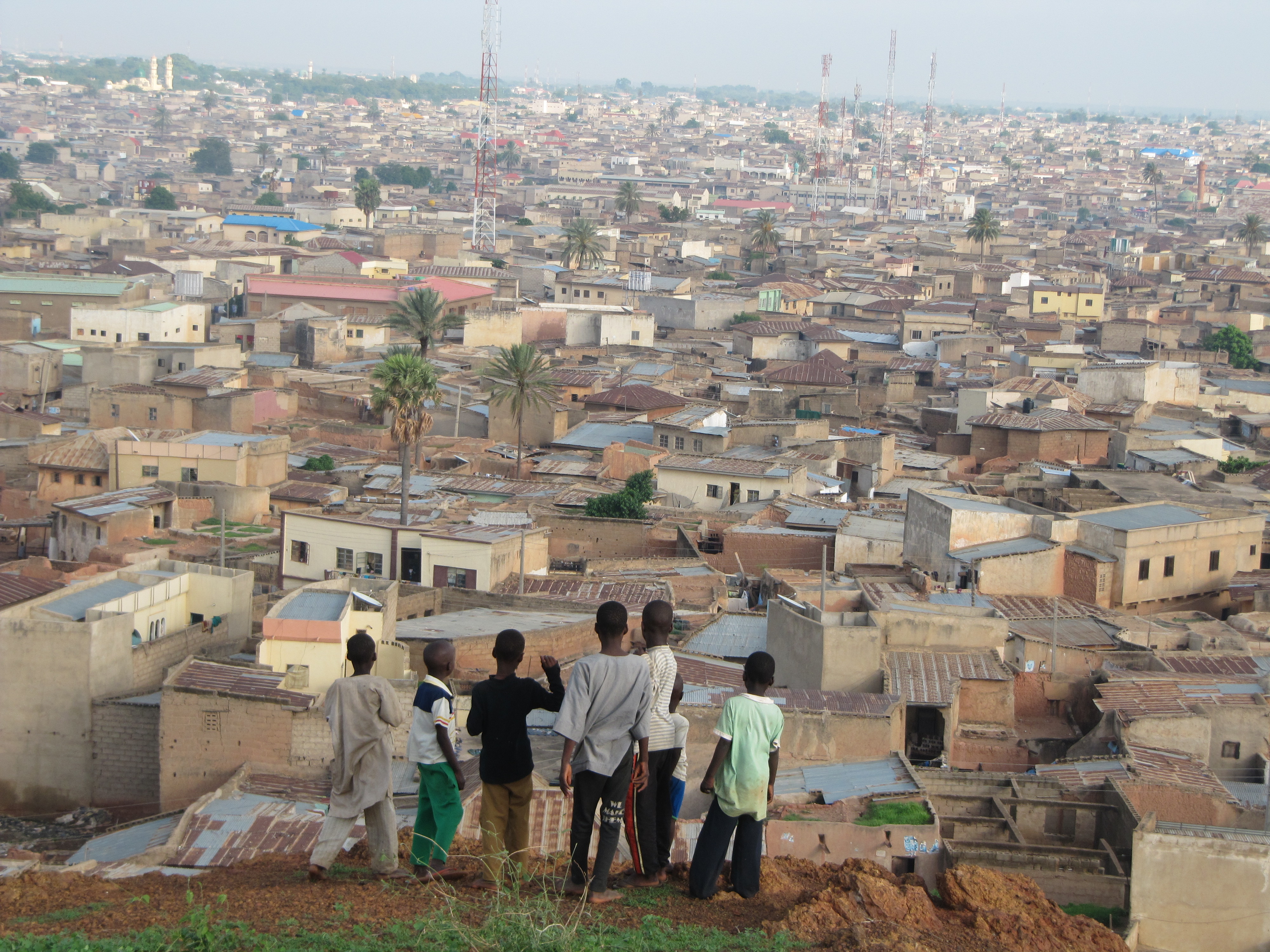
1. The Lost Generation
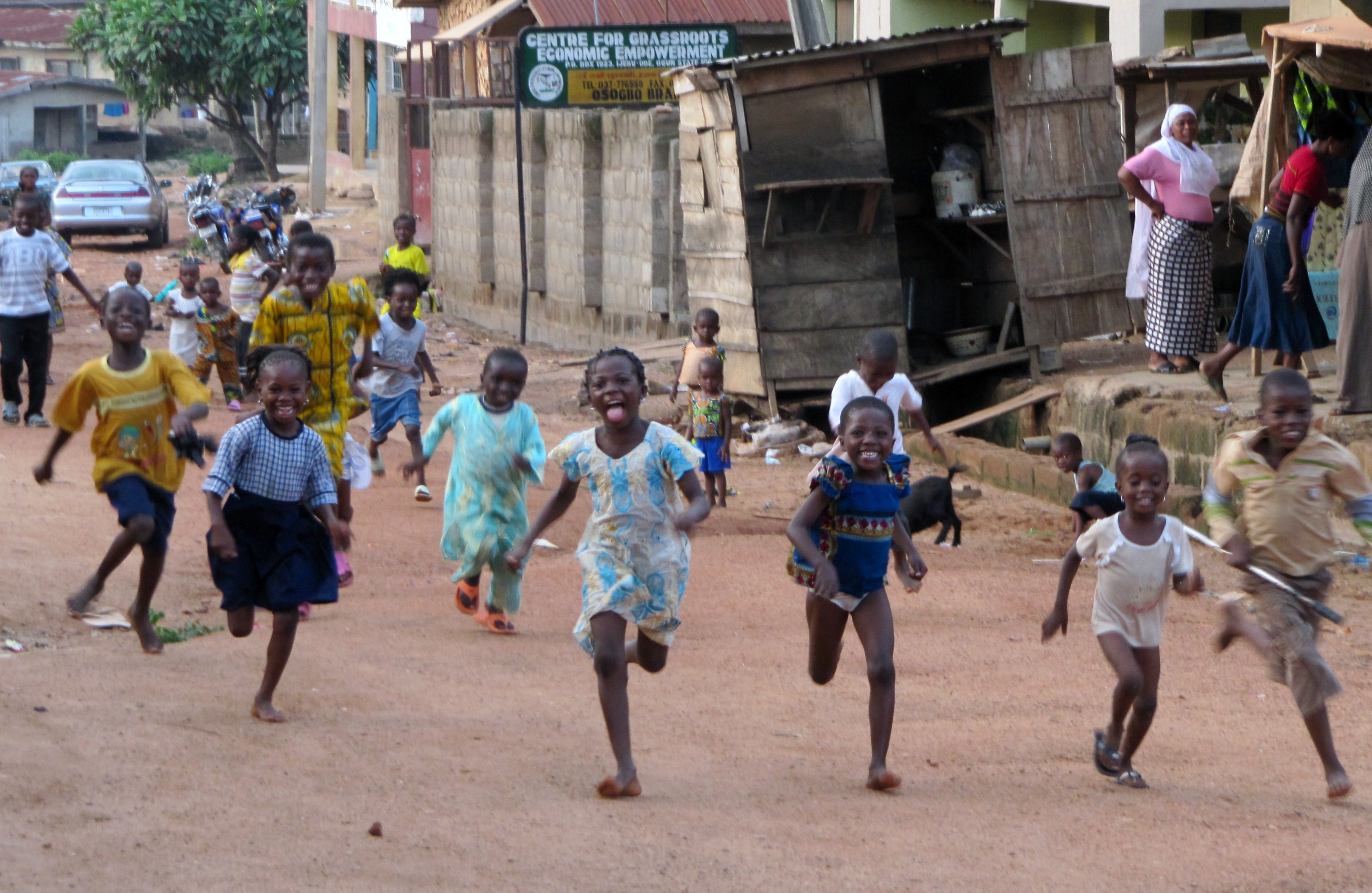
The 'Lost' Generation

Northern Nigeria is a youthful place. Having maintained a high birth rate for decades, over half of the population is now under the age of 30. The average fertility rate in Nigeria is 5.7. In the northern states it is 7.3. This demographic shift has arrived at a time in which unemployment is rife and the perception of victimisation by the federal government is strengthening. There is now a generation of young, unemployed northern Nigerians who feel alienated from the central government and see flagrant displays of wealth in Nollywood films depicting the southern cities of Lagos and Port Harcourt. This sentiment of marginalisation has been utilised effectively in the propaganda of Boko Haram.


2. Religion
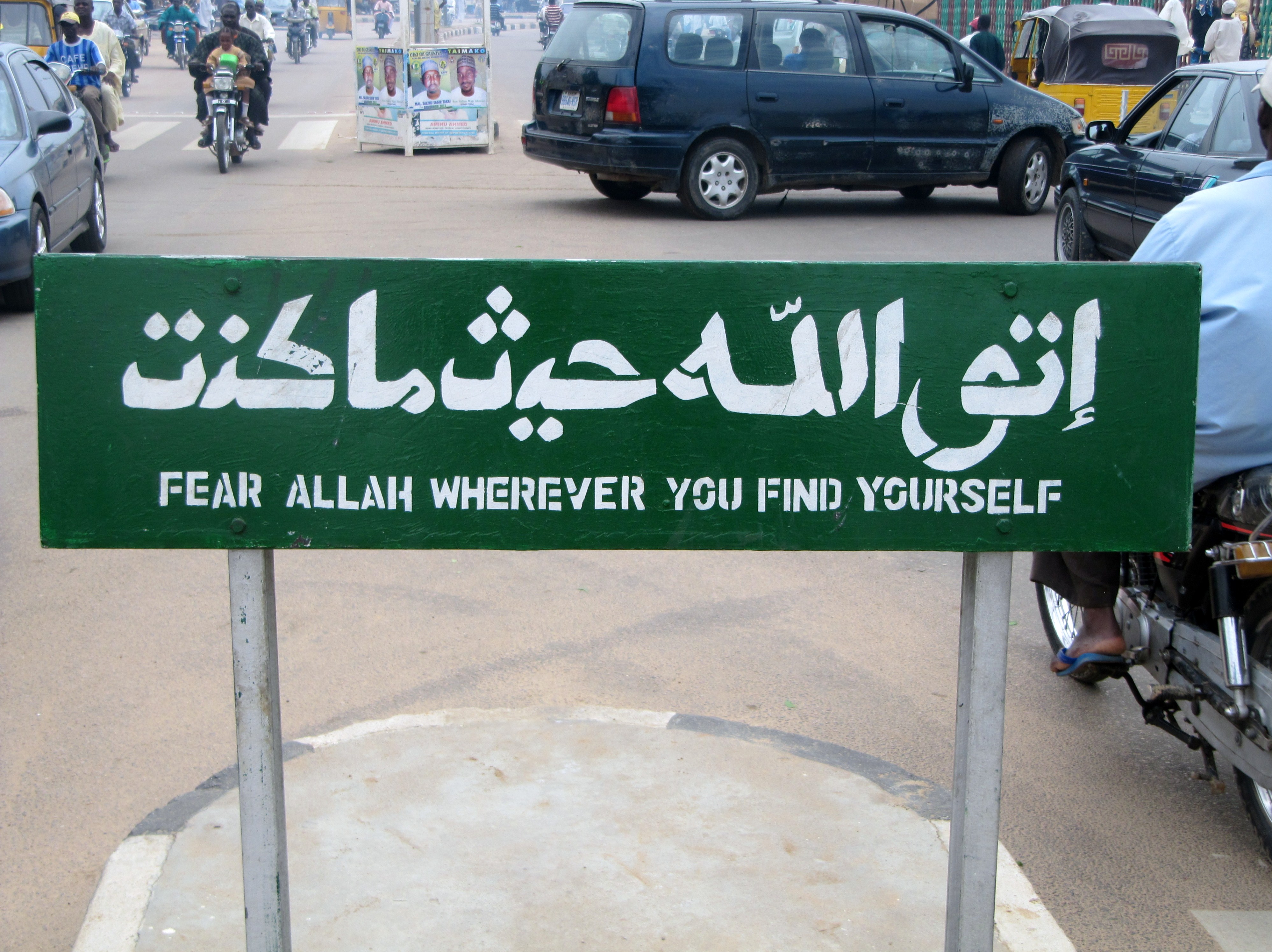
A Sign of the Times

The use of religion as a political tool goes back to the pre-colonial era of Nigerian history.  Now a democratic state, in theory one religion should not take precedence over another (a notion enshrined in the Nigerian Constitution).  Despite this, religious disputes consume much of Nigeria  in an ongoing conflict which has claimed thousands of lives.  Politics, especially in electoral cycles, so often comes down to religion.

Boko Haram is a religious actor whose primary goal is to implement Sharia law across the entire state of Nigeria.  They claim that the 50.5% population of Muslims is underrepresented at a Federal level and advocate extreme violence to achieve their objectives.  It is clear that the vast majority of Muslims in Nigeria do not support the religious stance of the group but the popularity of Sharia law since its institution in the twelve northern states shows the strength of faith in the region.

The complexity of the ethno-religious conflicts engulfing the Middle Belt and the north of Nigeria is difficult to summarise here.  While the attacks of Boko Haram are frequently framed as solely religious actions the reality is a more complex conflagration of ethnicity, alienation, fear and insecurity.


3. Urban Planning
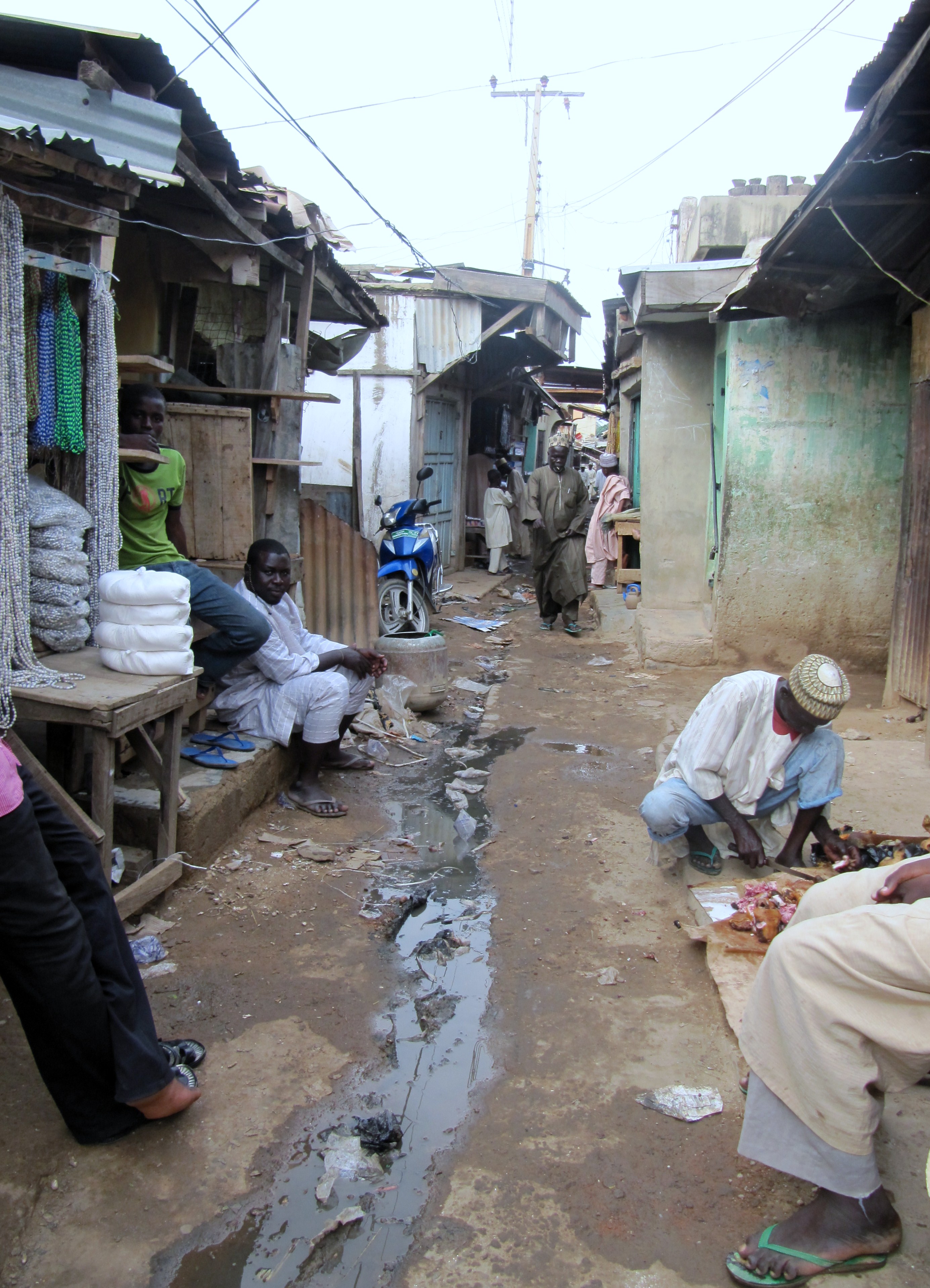
Street Politics

Islamic design resonates in the street networks of Kano. To ensure privacy and the seclusion of women the city does not have a regularized street network and instead seeks to avoid long lines of sight and open vantage points. A consequence of this urban planning has been that non-Muslim migrants to the city have been taken up residence in the non-Muslim enclave, ‘Sabon Gari’ (colloquially: ‘Sabo’). This has meant that the cities of the north have grown from having a single core to being polynucleated with conflicting parties living side by side but not together. When conflict erupts in urban areas, it can be explosive. Boko Haram attacks frequently target the ‘Sabo’ districts.


4. Mistrust
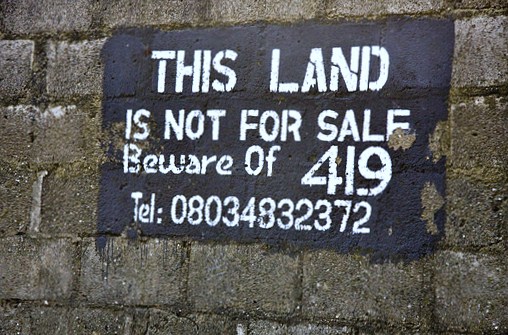
Beware 419

The mere mention of Nigeria often conjures the phrase ‘419’. While popularly known as an internet scam, the number is derived from the property laws in Nigeria in which Law 419 outlines property ownership. The phrase ‘Beware 419’ litters walls across the country to alert ‘potential buyers’ that the house is in fact inhabited and not for sale. After asking for a deposit up front the criminal will flee the scene leaving the ‘new owners’ to confront the current occupants. Mutual distrust is rife.


5. The Security Vacuum
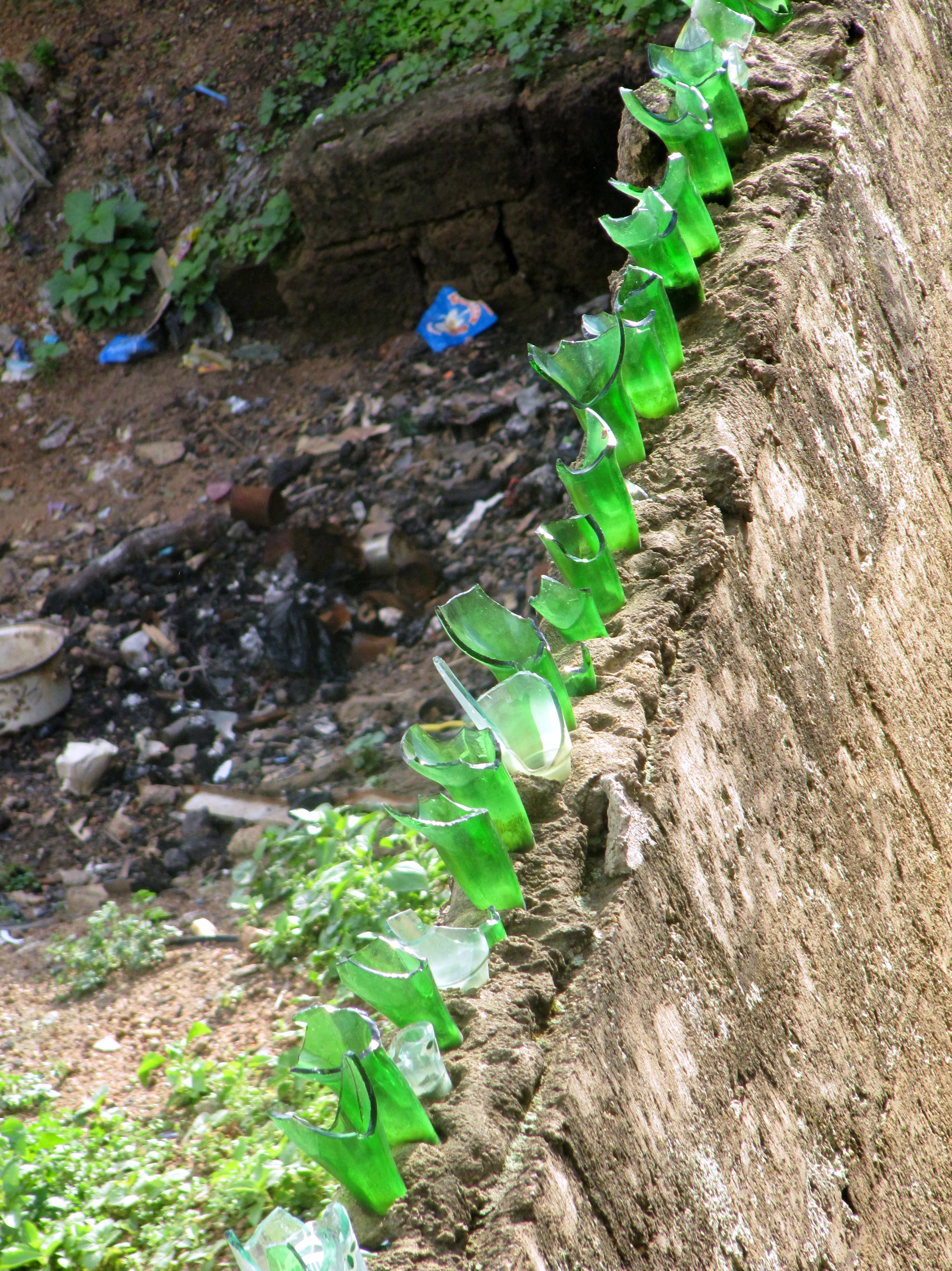
And if one green bottle should accidently fall...

Personal security takes primacy in the north of Nigeria. A lack of trust in the central authority of the state manifests itself in personal security measures. This picture shows the rows of broken glass bottles cemented into the top of a wall to deter intruders. Such walls surround houses in both high and low income areas as violent crime and theft is endemic. Disdain towards the Nigerian security forces have meant that the horrific bomb attacks of Boko Haram on police stations and international organisations have helped to garner support for the terrorist group.


6. Health
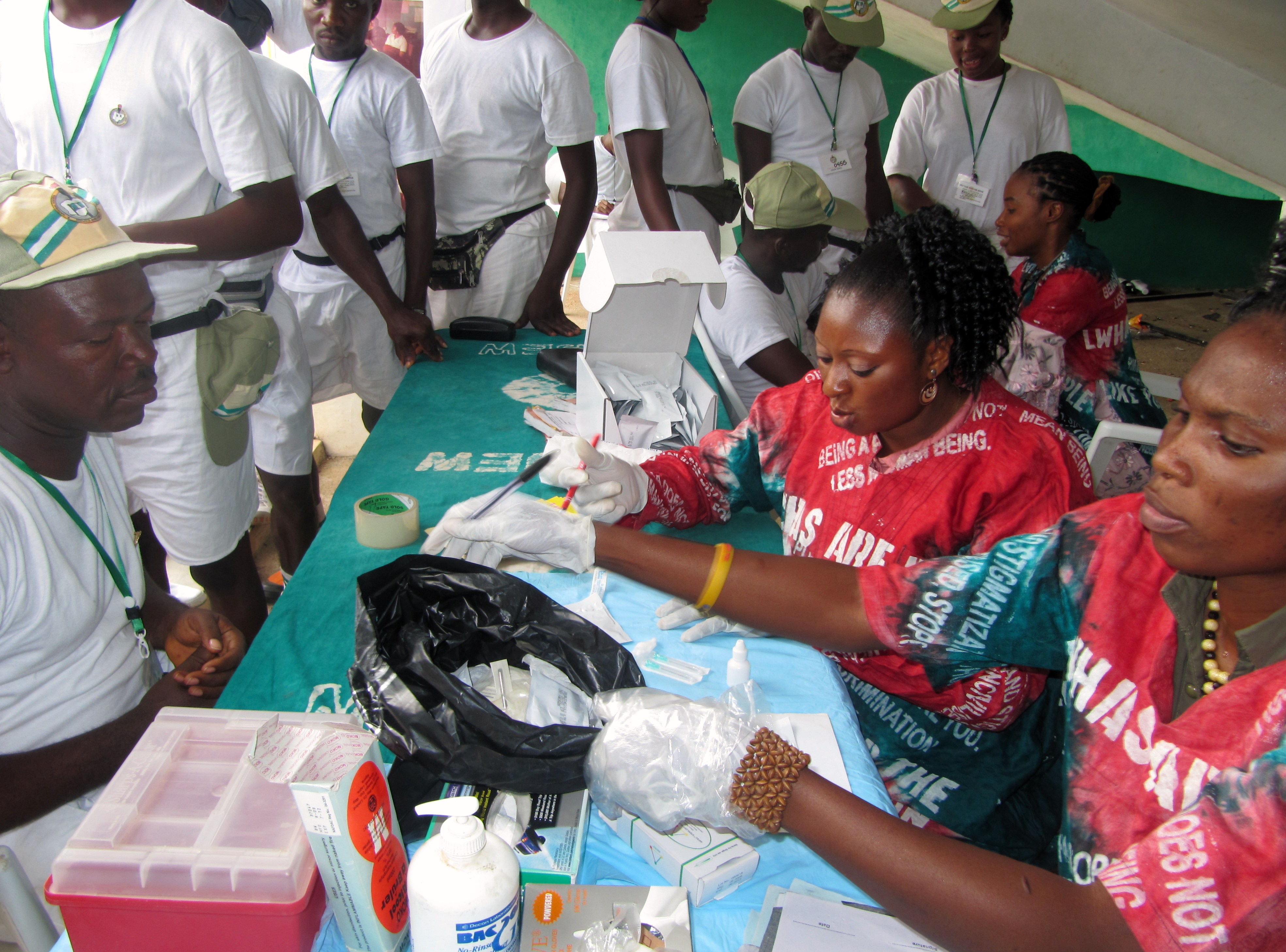
Testing Times

Northern Nigeria continuously faces a shortage of doctors known as a ‘brain drain’: doctors migrate to higher paying positions in the south of the country or further afield in Europe and North America. The issues of malnutrition and water shortages are taking their toll as the climate of the arid northern regions becomes increasingly inhospitable. Medicinal supplies are insufficient at current levels as malaria and HIV/AIDS remain at constant levels and when aid does arrive it has on occasion been mismanaged. In 2009 alone 84 children in the northern states died after ingesting a batch of contaminated teething medication.
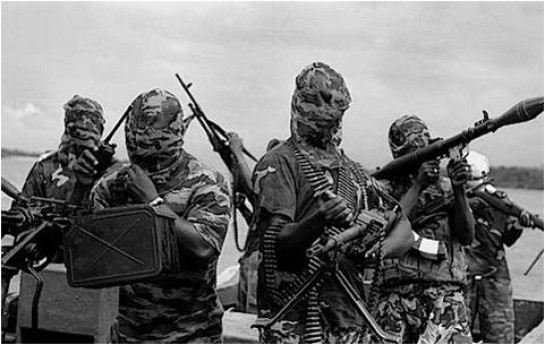
The State of Terrorism in Nigeria: The Rising Threat of Boko Haram

In this article the author assesses the rising threat of the Nigerian terrorist organisation, Boko Haram.  The most recent spate of bombings and executions has raised questions over the unity of the Nigerian state and the future of security on the continent.  It is therefore necessary to understand why Boko Haram is increasing in popularity as their attacks become increasingly barbaric.


By Jack Hamilton, 14 Nov, 2011

Unchecked Massacre

Brutal attacks in Nigeria over the past week have left over 100 people dead.  A single small religious group has transmogrified into a dynamic terrorist organisation capable of rapidly changing tactics and targets in a pattern of violence responsible for over 1000 deaths in northern Nigeria since 2009.

Last week the gunmen wandered around the northern town of Damaturu killing any Christian who could not recite the Islamic creed on the spot.  Nigeria’s Defence Minister Bello Halliru Mohammed has stated that the security forces once again have control and that there is nothing to fear but his words have assured few.

The fact remains that there is still no coherent strategy to combat Boko Haram.


Rising Intensity

The nature of recent events has shocked many, even in regions where Boko Haram attacks are frequent.  Residents expressed rage at the ease with which gunmen were able to take over the city and leave bodies littering the streets.  Police stations, mosques and churches were reduced to rubble before the security forces mobilised a response.  At that point members of the group engaged in gun battles across the city that lasted for hours.

The situation in northern Nigeria is degenerating rapidly.  International observers fear that Boko Haram may already have links to al-Qaeda and al-Shabab and that the campaign of terror shows no signs of abating.

In order to understand Boko Haram it is first necessary to look at who they are, what they want and how they believe they can achieve it.

Who

Boko Haram colloquially translates as “Western education is forbidden”.  It is a claim to reject all things Western from the theory of evolution to Western-style banking.  This has manifested itself in different tactics since the emergence of the group in 2002.  Before 2009 there were no signs that the group desired the overthrow of the state and rather preached to withdraw from the institutions of the non-Sharia Nigerian nation.  It was a law banning the riding of motorbikes without helmets that would prove to be the catalyst for violence.

In July 2009 the central government sought to enforce the law on helmets.  Boko Haram flouted the legislation and was subjected to police brutality which in turn set off an armed uprising in Bauchi, later spreading to Kano, Borno and Yobe.  By the time the army had suppressed the situation over 800 people were dead across the north of the country.

Since 2009 the group has spread rapidly.  The majority of the attacks have taken place in Borno state but Boko Haram have also expanded to the northern states of Adamawa, Bauchi, Gombe, Kaduna, Katsina and Sokoto as well as the attacks on Abuja and threats against Lagos.  In addition to the geographical spread there has been a change in tactics from the localised skirmishes to strategic suicide bombing campaigns and massacres directed not only at Nigerian security forces but also international targets such as the UN.

Tactics

Boko Haram have changed their tactics over the years.  Under their previous leader, Mohammed Yusuf, the group staged mass uprisings against the police and suffered hundreds of casualties.  After Yusuf’s death at the hands of security forces in 2009 they began using tactics more in line with jihadist terrorism including the first suicide bombings in Nigeria’s history.

The attack on the UN may have been an attempt to pressure the international community or perhaps it was simply to embarrass the Nigerian state but it succeeded in drawing global attention to a burgeoning problem.  Boko Haram may be diffuse but it is expanding geographically with increasing tactical sophistication.

Composition

As Boko Haram expands the questions over their composition complicate.  According to Paul Lubeck, an expert on northern Nigeria, Boko Haram is not a single group but a collection of splinters banded under one name by the Federal Government.  One section appears willing to negotiate while others remain determined to intensify the bombing campaign.

Some statements reflect a strict adherence to Islamic law while others cite a determination for a smaller Nigerian state as their raison d’être.  If the group is as amorphous as Lubeck claims it will make it very difficult to negotiate with let alone combat.

Grievances

Economic

The structural issues of northern Nigeria have allowed Boko Haram to thrive in recent years.  In addition to acute poverty the region has a high birth rate and 50% of the population are below the age of 30.

Inequality, unemployment and industrial stagnation have exacerbated the perception that the north has been marginalised by the liberalisation of the Nigerian economy.  The question of who owns the land has not been answered since independence and the Federal State seems too far away and blighted by corruption to deal with such issues.

Political

Grievances in the north were compounded by the election of a southerner, Goodluck Jonathan, as President earlier this year.  Jonathan assumed the office following the death of the northern Muslim President Umaru Yar’Adua and many northerners believe Jonathan should have stepped aside to allow another northerner to take Yar’Adua’s place.  This would have been in line with the ‘gentleman’s agreement’ that the Presidency should rotate between the north, the south-west and the south-east every two terms.

Security

The administration is treating Boko Haram as a security issue rather than tackling the divisive subject of poverty in the north.  Abuja’s response has been to flood the north with heavy-handed military and police forces that now stand accused of human rights violations against civilians.

Politicians in the north have begged for the numbers of security forces to be reduced as police corruption has become rife.  For many in the north the police are the face of the central government.  The people feel alienated from a force they perceive to be corrupt.

Responding to Boko Haram

For many the heavy military presence in the north is the single most important hindrance in securing any negotiated peace.  The failed attempt to destroy the group in 2009 was the greatest recruitment drive Boko Haram could have hoped for, especially the controversial extra-judicial killing of the leader Mohammed Yusuf.

The current strength of Boko Haram is largely a result of such poor foresight by the Nigerian state.  As a result there is now a security vacuum in the most heavily militarised region of the country.

Flagrant myopia has created martyrs and swelled the ranks of the guerrillas.  The legal response to the killing of Yusuf is a good first step but it does little to combat the issues of poverty and corruption that are integral to Boko Haram’s recruitment.

Opposition leaders in the north claim that the government has failed to understand the amount of support Boko Haram has amongst the population.  By stating their opposition to central government and corruption the group has grown far beyond their initial religious doctrine and the government will need to find a response to the structural inequalities in Nigeria if the terrorists are to lose their supporters.  It does not appear as if this is going to happen any time soon.  It is possible that Boko Haram may actually be growing beyond the borders of Nigeria.

The Anti-Social Network?

Many experts have questioned whether the increased tactical sophistication of Boko Haram is evidence of the group branching out to international terrorist organisations, especially al-Qaeda in the Islamic Maghreb (AQIM).  A change in tack to target international organisations with large high-tech bombs has caused concern.  General Ham, head of US Africa Command, believes that the worst case scenario already exists and that Boko Haram are working in tandem with AQIM and al-Shabab in a “loose” partnership.

Hard evidence for any such link is still to be produced.  The geographical distance between AQIM, Boko Haram and al-Shabab make such a partnership unlikely and the possibility remains that the increased military technology may have come from within Nigeria itself.  Alex Thurston, an expert on terrorism in the region, has posited that it is more likely the sophistication came from disaffected Nigerian soldiers than any international training.

The Future State of Nigeria

The failure of the government reactions have meant that Boko Haram has been successful in achieving one of their primary goals: the weakening of the legitimacy of the state.  Attacks on international organisations have created increased pressure on Jonathan to find a solution to the problem.  The short-term solution of heavy military deployment may eventually yield similar successes to those against the militant groups in the Niger Delta but it would also undermine the cohesion of Nigeria.  This would also act to provide momentum for Boko Haram.

The failure to develop a clear strategy to combat the small Islamic group in 2009 has forced the Nigerian state to face up to the larger structural issues concerning the north.  A solely military solution is no longer feasible.

Lies, Damned Lies and Statistics: Africa’s Statistical Tragedy

In this article the author assesses how flawed statistics may be exacerbating poverty in Africa.


By Jack Hamilton, 3 Nov, 2011

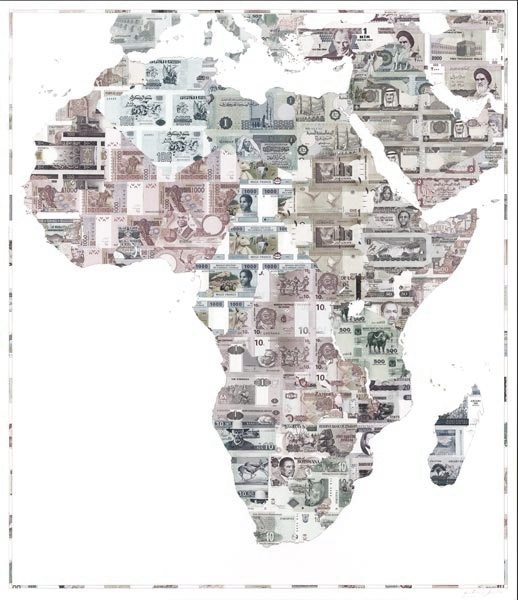
This week the UN has declared that there are 7 billion people in the world. It is impossible to verify this statistic but the reasoning behind the declaration is clear. It raises awareness of population growth and draws attention to future development issues. But what of the more dangerous statistics that have been exacerbating poverty? In Africa especially poverty estimates have been based upon flawed data with potentially disastrous consequences. With so much being written now about African growth, the data behind it must be questioned to reveal the statistical tragedy of Africa.

‘The Century of Africa’?

In the past decade Africa has surged forward. Its economy is growing faster than that of any other continent. Foreign investment has hit an all time high and the middle class is absorbing consumer goods at rates comparable to China and India. Articles on African optimism abound, normally at the turn of the year when it will inevitably declared that this is to be the ‘Year of Africa’, the ‘Decade of Africa’ or in the new book by Michel Severino and Olivier Ray, the ‘Century of Africa’. That is not to say that it will not be true. Rather the statistics behind this must be evaluated as well as the capacity to harness resources for development.

Africa Rising

Around one third of African growth over the last decade has come from a rise in commodity prices. These have been combined with increased investment from China as a low cost builder. Further investment has come from around the globe from Brazil to Iran, Turkey to South Korea leading to the defensive rhetoric of Hillary Clinton in declaring a ‘neo-colonial’ era on the continent. This is an unfair overestimation of external influence for Africa’s best friend has been Africa itself.

Regional economic cooperation has increased dramatically on the continent. Borders are becoming easier to cross and technology is advancing rapidly. Africa has more mobile phone users than the Americas and mobile financial transfers on a single phone network in Kenya are greater than the annual global transfers of Western Union. At the start of the year there were 17m Facebook users in Africa and this figure is expected to be 28m by the end of the year. As mobiles and data become more affordable the numbers will continue to surge. The political implications of this connectivity have been in the news due to the revolutions in the North but the economic impact on Sub-Sahara could have even greater consequences. The rapid distribution of agricultural information alone has been revolutionary.

While the rest of the world struggles through the economic meltdown Africa is growing and political violence, so long the cancer of growth, is declining. Tensions still simmer in Sudan, Congo and Angola but pale in comparison to their previous intensity and the talk of ‘new wars’ is receding and the markets are opening. This is not to overstate the case as Jean-Michel Severino and Olivier Ray have done in calling the 21st century ‘the century of Africa’. Africa’s rise is impressive but how many Africans are moving to China to set up factories?

The problem with the optimistic projections is that they are supported by figures which cannot be verified. Data is immensely unreliable to the point that we don’t know how many people are living in poverty or how quickly most of the continent is growing. In the words of the World Bank Chief Economist for Africa, Shanta Devarajan, Africa has a statistical tragedy.

Statistical Tragedy

The use of the term ‘tragedy’ is a reference to Bill Easterly and Ross Levine’s ‘African Growth Tragedy’ in their 1997 paper of the same name. This outlined the destructive link between economic growth and poverty in increasingly open markets. The financial gap is seen to be widening with the ‘Growth Tragedy’ placing the exacerbation of poverty at 2-3% per year. This has been placed as high as 6% more recently. World Bank estimates claim that overall poverty in Africa is declining at a rate of around 1% every year but Easterly and Levine demonstrate that this poverty is becoming more acute. The tale of the rising African middle classes does not include the plight of those at the bottom.

The tragedy is this assumption that growth is rising while poverty is declining. The statistical tragedy is that we don’t even know the real poverty rates. World Bank growth rates are based upon the imprecise science of GDP which is itself based upon national accounts. We need to take into account that only 11 Sub-Saharan African states currently use the World Bank GDP system. Most of the countries use older GDP measuring systems with some dating back as far as the 1960s.

In Ghana the system of national accounts was updated by the World Bank leading to a GDP figure that was 62% higher than previously thought. The World Bank took credit for the leap but failed to take account of the fact that it was their system which had systematically undervalued the Ghanaian GDP for the previous twenty years thus hampering long-term economic growth.

Only 39 countries in Africa use GDP systems which can be used to provide comparable estimates. National poverty estimates taken over a long period of time in a single nation are difficult to generalise beyond individual borders and the impact of conflict further limits them. How can one talk about continental poverty with only a single statistical point of reference? Furthermore the estimates are not comparable over time as the methodologies frequently change between estimations. An estimate on Kenya in the late 1980s would incorporate 235 items in the consumption basket whereas the early 1990s model had more than 600. Today this figure is in the 900s and rising.

While economists have been congratulating themselves for the declining poverty rate they have not been looking at the limitations of the data. It is not up to date. There is no uniform 2011 estimate. Of the 39 African countries that use GDP only 11 have comparable data for the same year. For the rest of the continent there is a need to extrapolate back to 2005. In the case of Botswana we need to go back to 1993.

Africa is given as the recurring example as the continent is an especially bad case when it comes to statistical tragedies. There are on average 3.8 poverty estimates from each country to the World Bank. Taking the African continent in isolation this drops to 1.5. In Africa the national estimates for 2005 have just been collated.

Why has this happened?

Statistics are fundamentally political. A poverty estimate involves the government declaring whether or not their people are better off today than they were five years ago. If a government is standing for election it would be in their interests that a negative report is not published. The consequence of this is a delay in the financing of such projects until after the election meaning that much of the raw data is not published or at least withheld until it is anachronistic.

The trope of condescending economic optimism for Africa is often checked with the accusation of poor governance. In this capacity progress can be verified. In Zambia defeated President Rupiah Banda, leader for the last twenty years, bowed out gracefully last month. From 1960 until 1991 no African leader was voted peacefully out of power with the exception of Mauritius. Since 1991 this has occurred in 30 of the 54 nations on the continent. The one party state is no longer the norm. Vast amounts of money are now spent on elections with Nigeria setting the world record earlier this year in spending $580m in an attempt to have a free and fair election, a figure which may be surpassed in Congo later this month. The figures in this case demonstrate the desire for change but also the scale of the problem. Only today it was revealed that a one month old baby is on the government payroll in Nigeria. He is also said to have a diploma.

It remains to be seen whether the winds of democratic change in the North and increased transparency south of the Sahara will see a rise in independent judges and neutral civil services but there is a clear case for optimism in African politics despite the verisimilitude of economic statistics.

Transparent Solutions

If the problem with statistics is the politics then the solution must come through transparency. Kenya’s open data initiative is a shining example of this, especially after the recent electoral violence. Secondly the behaviour of donors should also be evaluated and made public. This would stop organisations taking credit for aiding a negative situation which they helped to create. Thirdly, those found manipulating or withholding statistics must be named and shamed. Unfortunately this most important of factors is entirely dependent on the success of the first two. Much talk remains over neo-colonialism and foreign investment in Africa but it is the African politicians who need to open up, not the markets.