Photo Essay: Stories from Kabul, Afghanistan – Part III

As part of a USAID project, Abhishek Srivastava worked in Kabul, Afghanistan on AMDEP (Afghanistan Media Development and Empowerment Program). The principal goal of the project is to train and assist Afghan journalists and students of Kabul University on the nuances of reporting. Abhishek tells us stories of people and places in Kabul using his photos as a medium. This is the second in a series of photo-essays on Kabul.

Part I can be accessed here: Stories from Kabul – Part I

Part II can be accessed here: Stories from Kabul – Part II

_____________________________________________________________________________

By Abhishek Srivastava, 17 Feb, 2012

1. Your Country Needs YOU!
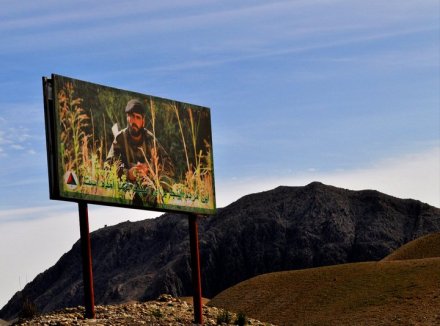
A poster calling people to join the Afghan National Army and be a hero.

_____________________________________________________________________________

2. The Kite Runners
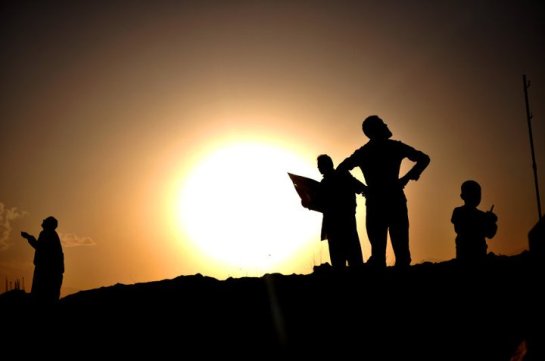
Kite flying at dawn. I was not aware that kite flying is so popular among Afghans. Kite flying had been banned during the the Taliban regime.

3.
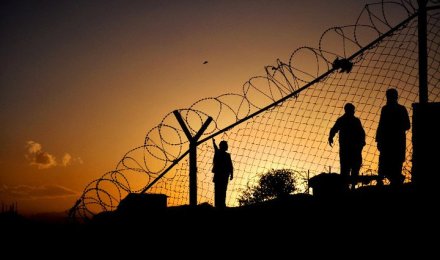
Bullet ridden walls and barbed wires are common in this area around Zahir Shah’s tombstone, a typical Kabul suburb. I saw hundreds of people scattered over a limitless piece of land, flying colorful kites.

4.
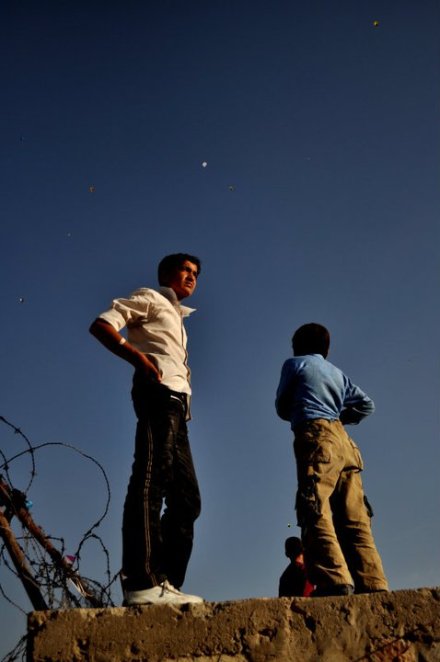
Keeping a hawk eye. The number of kite catchers were the same as the number of people flying the kites.

_____________________________________________________________________________

5. Baaz

That is a Baaz (Falcon). In Afghanistan, keeping of birds as pets has long been a popular pastime.

_____________________________________________________________________________

6. The River of Poppies

The main river of eastern Afghanistan is this famous Kabul River. It is a 700kms long river, and it flows east past Kabul and Jalalabad, north of the Khyber Pass into Pakistan, and past Peshawar; it joins the Indus River northwest of Islamabad. Alexander the Great used it to invade India in the 4th century BCE. It now mainly helps in the cultivation of poppies.

_____________________________________________________________________________

7. The Corner of a Foreign Field
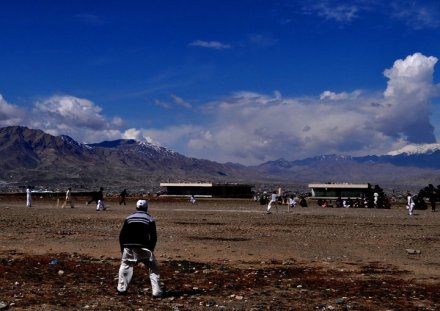
‘Jumma Cricket in Kabul’

At 6am one day, I got a call from an Afghan asking me to accompany him to see what some Afghans do on a holiday morning, after their morning prayers.

And here I was, right in the middle of some mountains, with the wind blowing away the clouds and making way for the clear blue sky. On a ground full of rock and pebbles, with spectators sitting right next to the batting wicket, a match of cricket was on.

The ground was yet again a part of Soviet recreation facility built in the 1980’s. I could not have been more delighted, for it was the World Cup season, and India was in the finals. That was reason enough for me to connect with any match of cricket.

Out of nowhere, I got that extra adrenaline rush to hold the bat and try those rusted strokes from childhood. But first I had to watch. Yes, the cricket fever was on in Afghanistan as well. Being a holiday in this Islamic country, playing cricket every Friday is like a ritual for most. I saw some of them wearing the Pakistan cap as well.

It was 12 over match with 11 players in each team. Some of the them even tried enacting Shahid Afridi, their hero. Afridi is a popular Pakistani batsman. The moment they got to know that an Indian was present, they congratulated me for defeating Pakistan in the World Cup Semi Final and handed me the bat!

8.

Our cricket ball was a normal tennis ball, which was nicely wrapped in white plastic tape. They say that it makes the ball heavier and makes it swing, much like a leather ball. Well it did hit me hard a couple of times!

9.

Firing star batsman, Haaseeb.

_____________________________________________________________________________

10. Taimani Fort
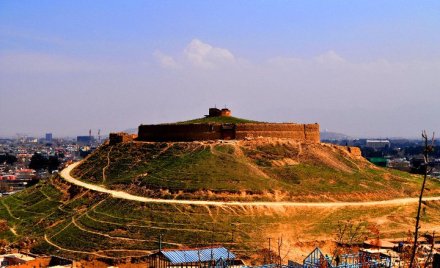
The mud walled Taimani Fort. This fort was built in the late 1880’s. It belongs to a tribe called ‘Taimani’ in Afghanistan. I am told that underneath this fort runs a Cavernous hall and a lot of debris from the Soviet era.

_____________________________________________________________________________

The copyright of all photos are with Abhishek Srivastava. Please do not reprint without permission.
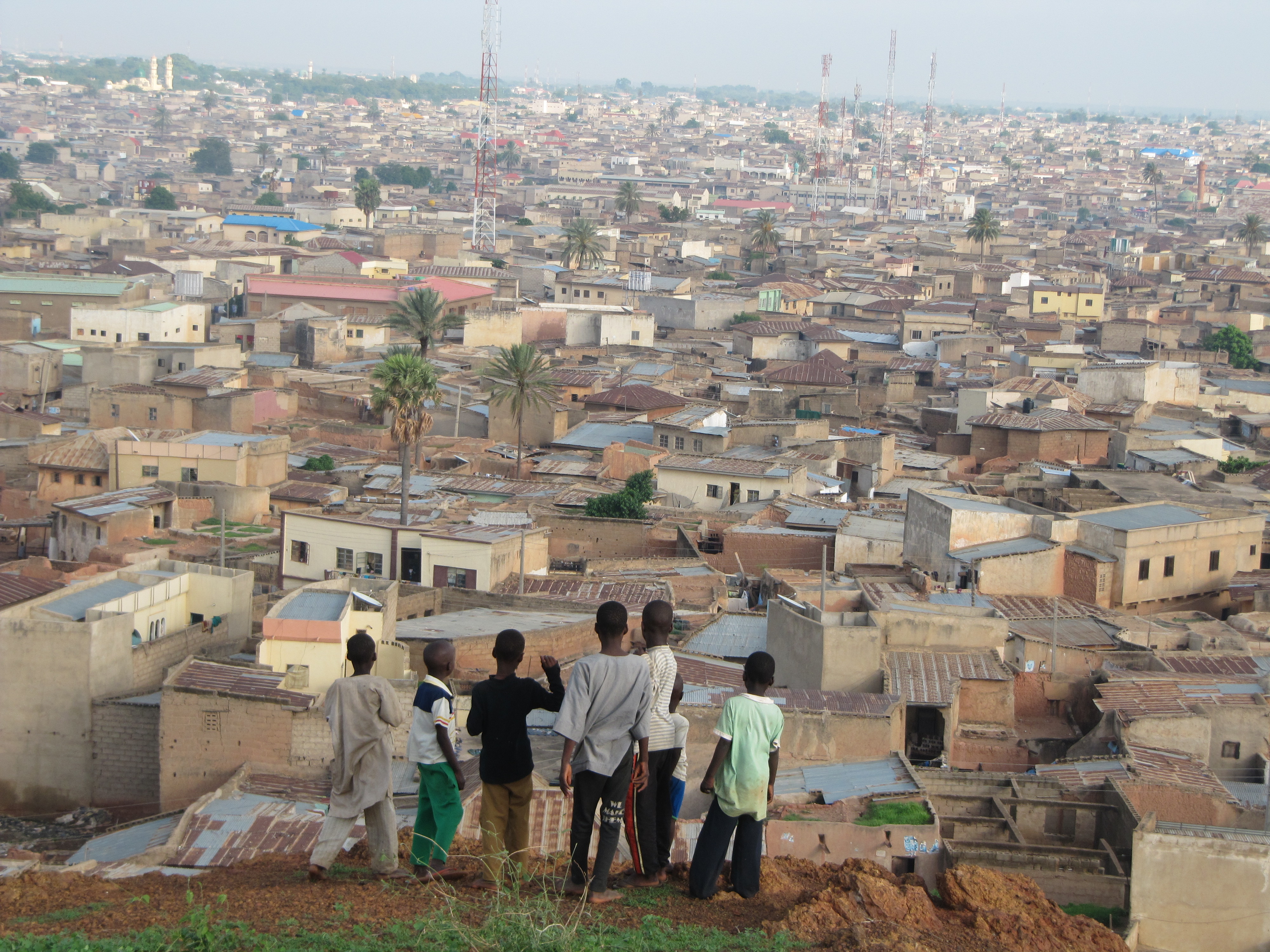
Photo Essay: 6 Reasons Why Terror is Gaining Momentum in Northern Nigeria

Looking for a Future

The state of Nigeria is facing its largest crisis in over a decade.  As the ferocity and popularity of the Islamist terrorist group Boko Haram rises, the very unity of the state is being challenged. This collection of photos assesses the reasons why the group is becoming increasingly attractive to the disaffected population in the north despite their gruesome tactics.

For more on Boko Haram see ‘The State of Terrorism in Nigeria’


By Jack Hamilton, 14 Dec 2011

1. The Lost Generation

The 'Lost' Generation

Northern Nigeria is a youthful place. Having maintained a high birth rate for decades, over half of the population is now under the age of 30. The average fertility rate in Nigeria is 5.7. In the northern states it is 7.3. This demographic shift has arrived at a time in which unemployment is rife and the perception of victimisation by the federal government is strengthening. There is now a generation of young, unemployed northern Nigerians who feel alienated from the central government and see flagrant displays of wealth in Nollywood films depicting the southern cities of Lagos and Port Harcourt. This sentiment of marginalisation has been utilised effectively in the propaganda of Boko Haram.


2. Religion

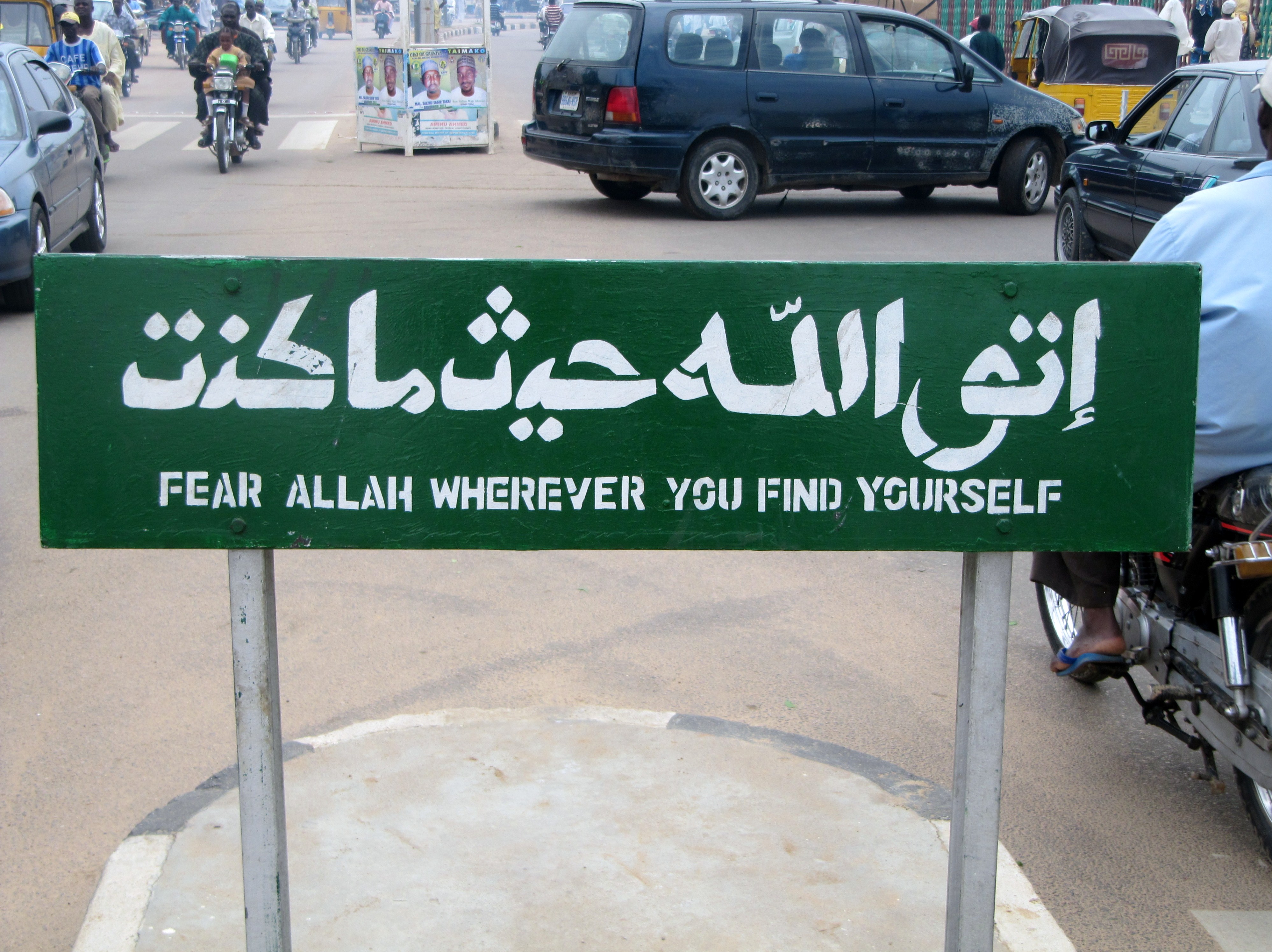
A Sign of the Times

The use of religion as a political tool goes back to the pre-colonial era of Nigerian history.  Now a democratic state, in theory one religion should not take precedence over another (a notion enshrined in the Nigerian Constitution).  Despite this, religious disputes consume much of Nigeria  in an ongoing conflict which has claimed thousands of lives.  Politics, especially in electoral cycles, so often comes down to religion.

Boko Haram is a religious actor whose primary goal is to implement Sharia law across the entire state of Nigeria.  They claim that the 50.5% population of Muslims is underrepresented at a Federal level and advocate extreme violence to achieve their objectives.  It is clear that the vast majority of Muslims in Nigeria do not support the religious stance of the group but the popularity of Sharia law since its institution in the twelve northern states shows the strength of faith in the region.

The complexity of the ethno-religious conflicts engulfing the Middle Belt and the north of Nigeria is difficult to summarise here.  While the attacks of Boko Haram are frequently framed as solely religious actions the reality is a more complex conflagration of ethnicity, alienation, fear and insecurity.


3. Urban Planning

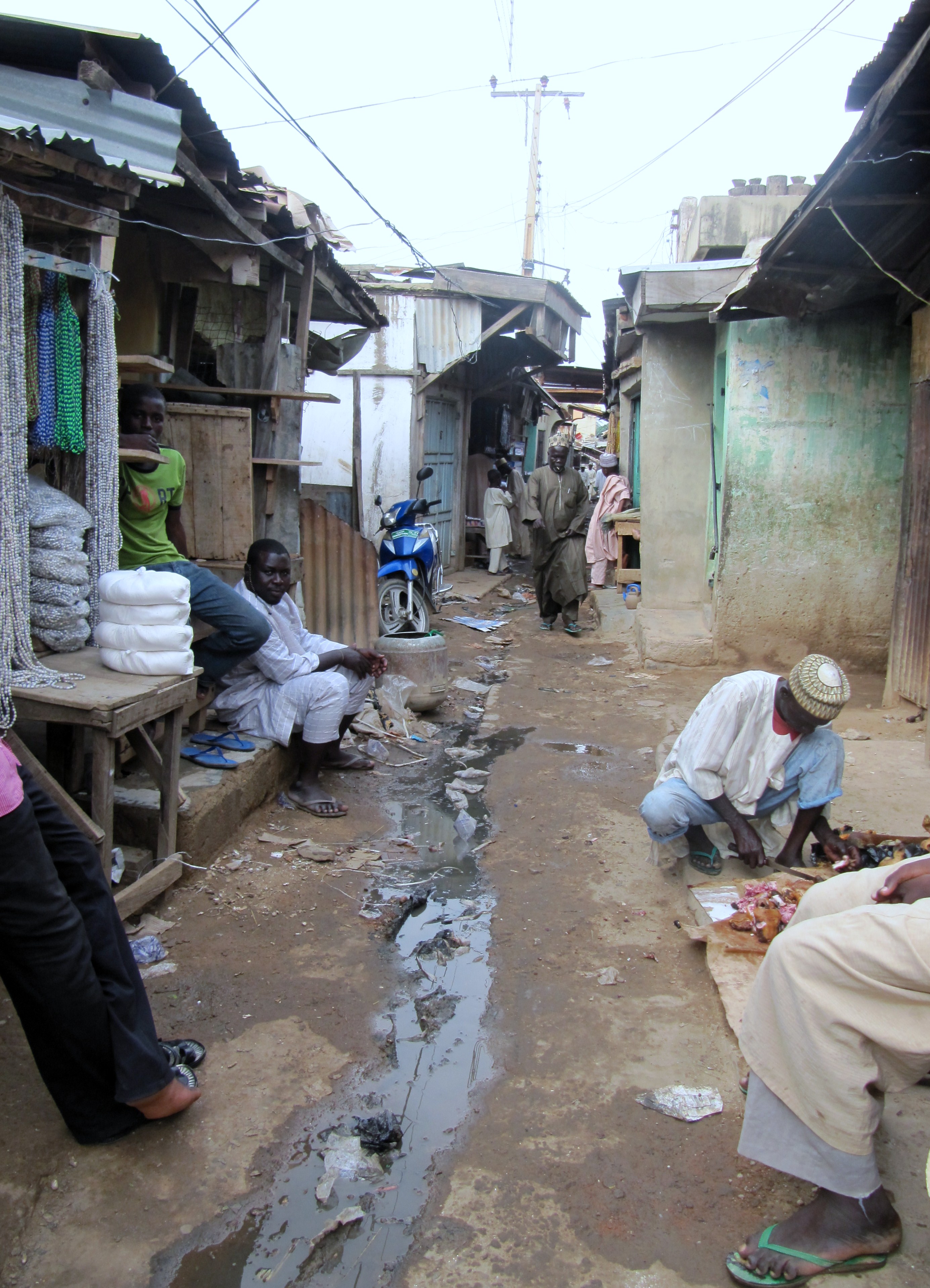
Street Politics

Islamic design resonates in the street networks of Kano. To ensure privacy and the seclusion of women the city does not have a regularized street network and instead seeks to avoid long lines of sight and open vantage points. A consequence of this urban planning has been that non-Muslim migrants to the city have been taken up residence in the non-Muslim enclave, ‘Sabon Gari’ (colloquially: ‘Sabo’). This has meant that the cities of the north have grown from having a single core to being polynucleated with conflicting parties living side by side but not together. When conflict erupts in urban areas, it can be explosive. Boko Haram attacks frequently target the ‘Sabo’ districts.


4. Mistrust

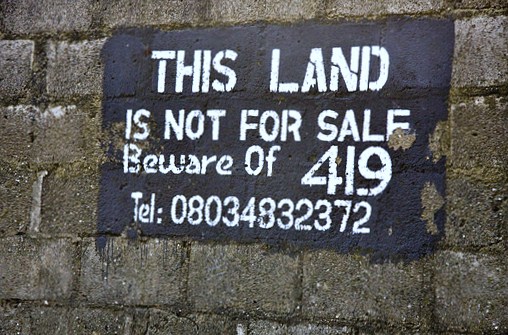
Beware 419

The mere mention of Nigeria often conjures the phrase ‘419’. While popularly known as an internet scam, the number is derived from the property laws in Nigeria in which Law 419 outlines property ownership. The phrase ‘Beware 419’ litters walls across the country to alert ‘potential buyers’ that the house is in fact inhabited and not for sale. After asking for a deposit up front the criminal will flee the scene leaving the ‘new owners’ to confront the current occupants. Mutual distrust is rife.


5. The Security Vacuum

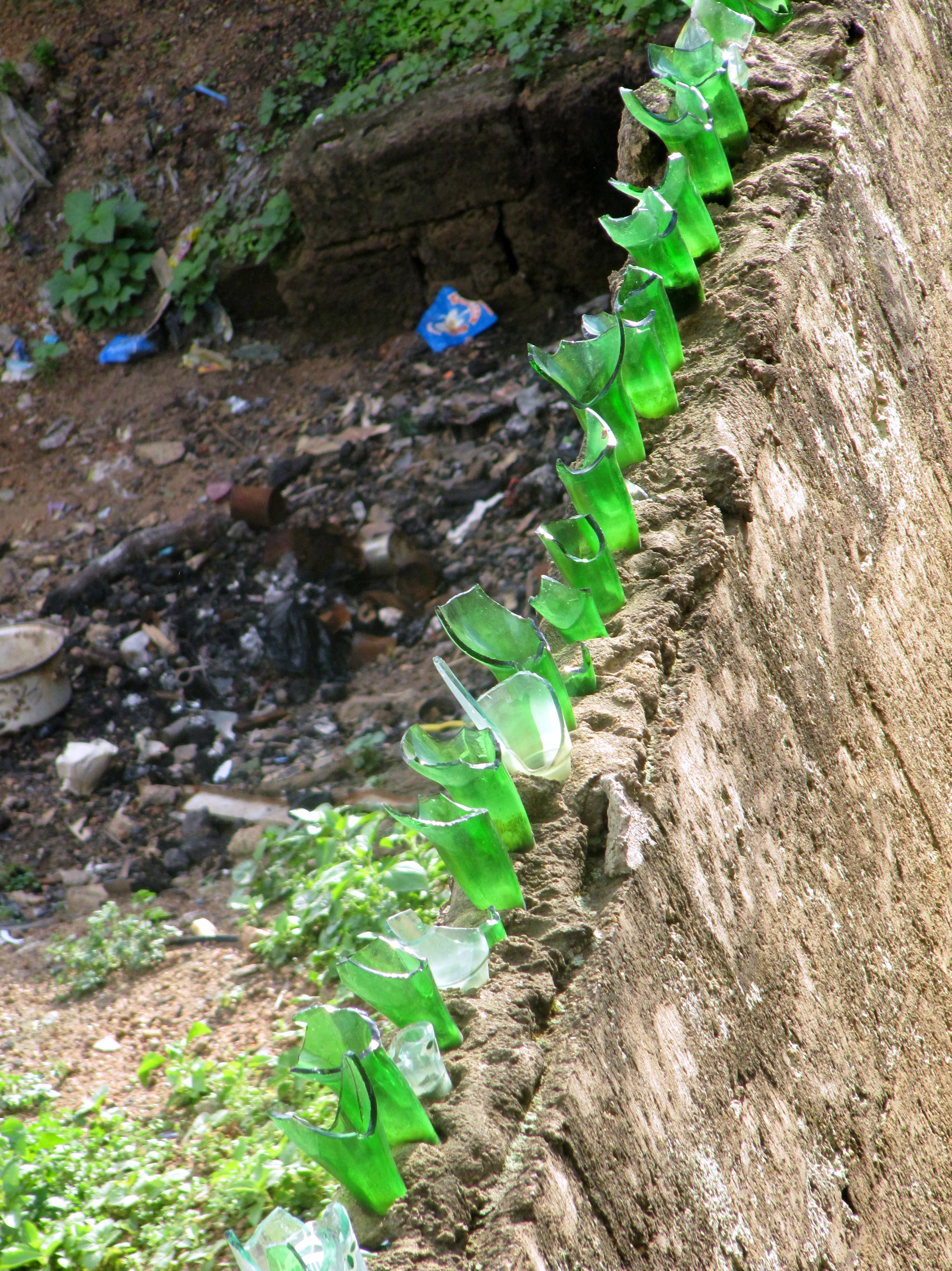
And if one green bottle should accidently fall...

Personal security takes primacy in the north of Nigeria. A lack of trust in the central authority of the state manifests itself in personal security measures. This picture shows the rows of broken glass bottles cemented into the top of a wall to deter intruders. Such walls surround houses in both high and low income areas as violent crime and theft is endemic. Disdain towards the Nigerian security forces have meant that the horrific bomb attacks of Boko Haram on police stations and international organisations have helped to garner support for the terrorist group.


6. Health

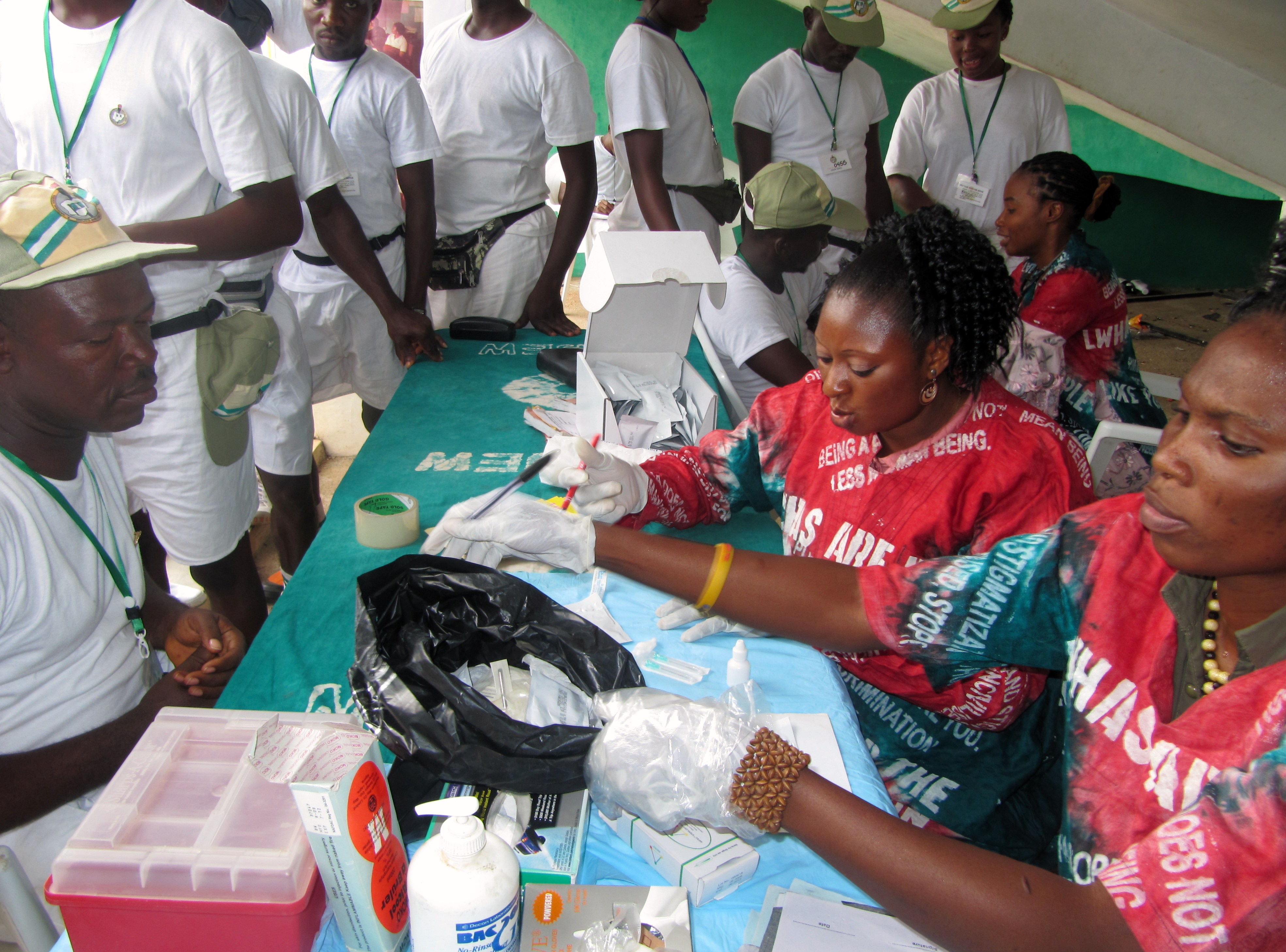
Testing Times

Northern Nigeria continuously faces a shortage of doctors known as a ‘brain drain’: doctors migrate to higher paying positions in the south of the country or further afield in Europe and North America. The issues of malnutrition and water shortages are taking their toll as the climate of the arid northern regions becomes increasingly inhospitable. Medicinal supplies are insufficient at current levels as malaria and HIV/AIDS remain at constant levels and when aid does arrive it has on occasion been mismanaged. In 2009 alone 84 children in the northern states died after ingesting a batch of contaminated teething medication.