Research Project: A Look at India’s Agricultural Chains

This post is the fourth in a series sharing findings from a research project Sam Kornstein and Paul Artiuch are working on throughout the month of January. Paul Artiuch and Samuel Kornstein are graduate students at the MIT Sloan School of Management. Throughout the month of January they are in India researching market-oriented approaches to reducing agricultural food waste.

_________________________________________________________________________________

By Samuel Kornstein and Paul Artiuch

January 15, 2012

Over the past week, we’ve learned quite a bit about how food gets from farmers’ fields all over India to the plates of the country’s 1.2 billion people. What struck us most is the level of fragmentation across the supply chain, which hinders the country’s ability to plan and quickly make adjustments to the system when necessary. These challenges, coupled with the importance of India’s agricultural sector in feeding the population, have compelled the government to step in and regulate parts of the system. Sometimes this is a good thing – government programs provide food for millions of low-income families – however, these government programs can also be extraordinarily inefficient and wasteful, which we’ll discuss at length in later posts. In the meantime, we thought we’d share a brief overview of how the system works, which will hopefully provide some useful context for subsequent entries.

Continue reading

Research Project: India’s Cold Storage Capacity

This post is the third in a series sharing findings from a research project Sam Kornstein and Paul Artiuch are working on throughout the month of January. Paul Artiuch and Samuel Kornstein are graduate students at the MIT Sloan School of Management. Throughout the month of January they are in India researching market-oriented approaches to reducing agricultural food waste.

_________________________________________________________________________________

By Samuel Kornstein and Paul Artiuch

January 14, 2012

Cold storage facilities, essentially refrigerated warehouses, can reduce agricultural price volatility, helping to minimize food waste and increase income for various supply chain stakeholders. The benefits of cold storage are simple: most types of produce have shelf lives ranging from just a few days to a couple weeks when kept at room temperature. Farmers and traders are forced to quickly get their produce to consumers, even if there’s too much supply in the market. This can result in low prices that often don’t even cover the price of production and transport. In the most extreme cases, when the market is flooded with a particular item, it makes more economic sense for farmers to just let certain crops rot in the field, rather than spend the time and money to harvest them.

Continue reading

Research Project: Delhi’s Azadpur Mandi Vegetable Market

This post is the second in a series sharing findings from a research project Sam Kornstein and Paul Artiuch are working on throughout the month of January. Paul Artiuch and Samuel Kornstein are graduate students at the MIT Sloan School of Management. Throughout the month of January they are in India researching market-oriented approaches to reducing agricultural food waste.

_________________________________________________________________________________

By Samuel Kornstein and Paul Artiuch

January 10, 2012

Soon after arriving in Delhi, we took a walk over to a local market and spoke with a man who runs the community produce stand. We asked him where he buys his fruits and vegetables. “I take my truck to Azadpur Mandi every day at five in the morning,” he said. “Is that where all of Delhi’s markets get their produce?” we responded. “Just about, except for the government-run shops.” We probed a bit more about seasonality, food waste, and prices, but found that his operation is fairly simple, and nearly nothing gets wasted at the retail level. Even if food becomes damaged someone in the community finds a use for it.

Continue reading

Photo Essay: Stories from Kabul, Afghanistan – Part II

By Abhishek Srivastava, 16 Jan, 2012

As part of a USAID project, Abhishek Srivastava worked in Kabul, Afghanistan on AMDEP (Afghanistan Media Development and Empowerment Program). The principal goal of the project is to train and assist Afghan journalists and students of Kabul University on the nuances of reporting. Abhishek tells us stories of people and places in Kabul using his photos as a medium. This is the second in a series of photo-essays on Kabul.

Part I can be accessed here: Stories from Kabul – Part I

_____________________________________________________________________________

1. The Projection Room
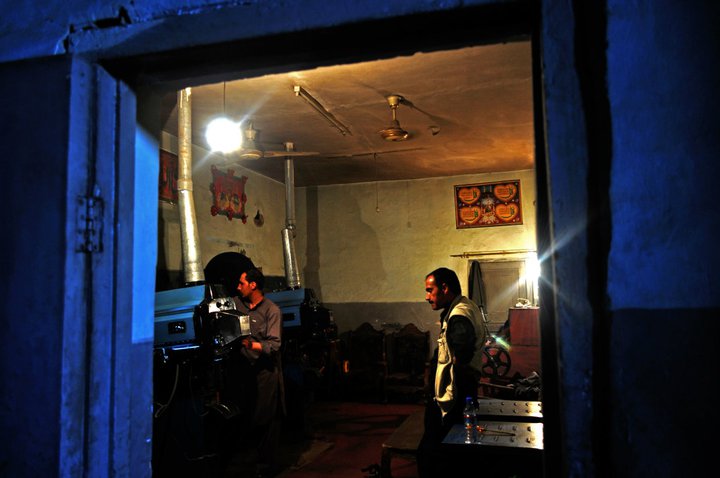
The projection room of Park Cinema in Sher-e-Naw, Kabul

_____________________________________________________________________________

2. Cinema Paradiso
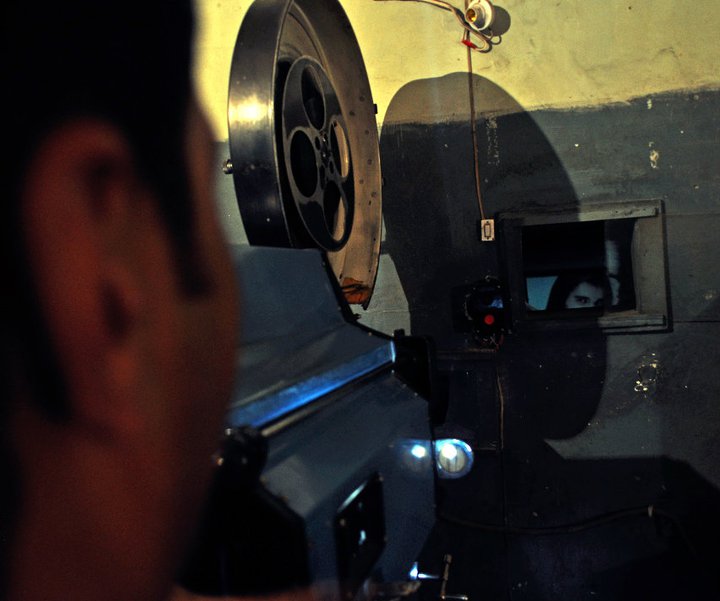
The distorted sounds and scratched prints of Bollywood films mostly, plays in this cinema hall.

In 1996, Taliban banned cinema halls in Afghanistan, but after they were outsed in 2001, the cinema halls were back in ‘action’, playing Bollywood action flicks.  This picture was shot during the screening of  ‘Jimmy‘, Mahakshay Chakraborty’s (Mithun‘s son) debut film.

_____________________________________________________________________________

3. Made in Russia
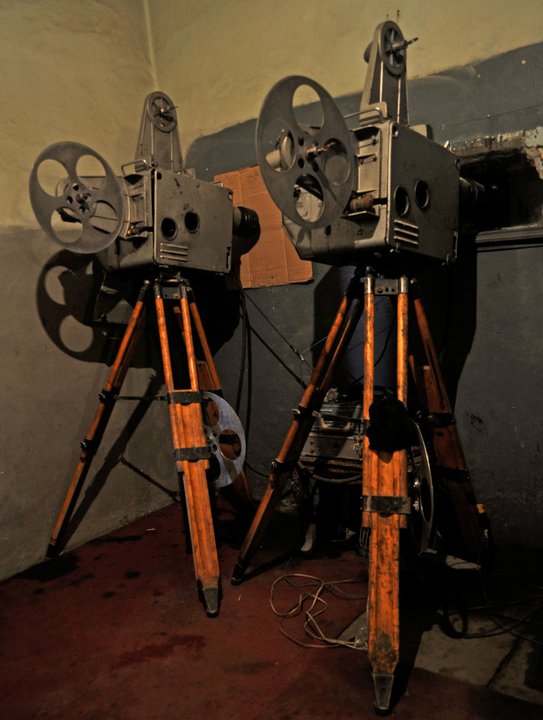
The film projectors are from the Russian era. I think that ‘war’ has been a major part of Russian cinema. It must have been part of spreading communism.

_____________________________________________________________________________

4. Afghanistan’s Starbucks
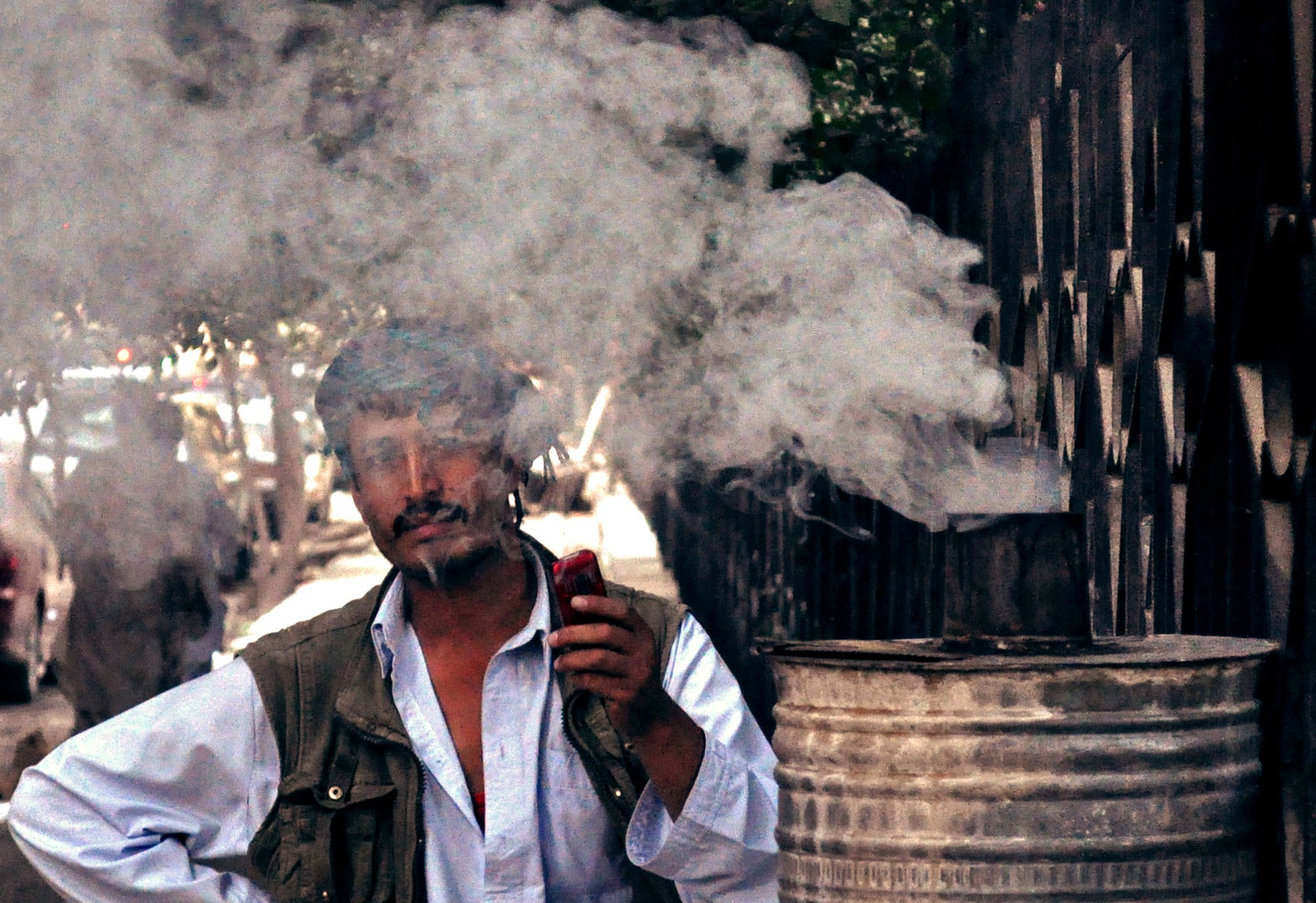
Afghanistan’s very own green tea.

A common sight on the streets of Kabul is of people – with their friends and families – sharing endless conversations over cups of hot green tea.  The smell of cardamon in the air arrests you, and attracts you to these smoke emitting aluminium containers, which contain the boiling tea leaves.

In Afghanistan, the tea drinking tradition is part of life.

_____________________________________________________________________________

5. Afghanistan’s National Sport – Buzkashi
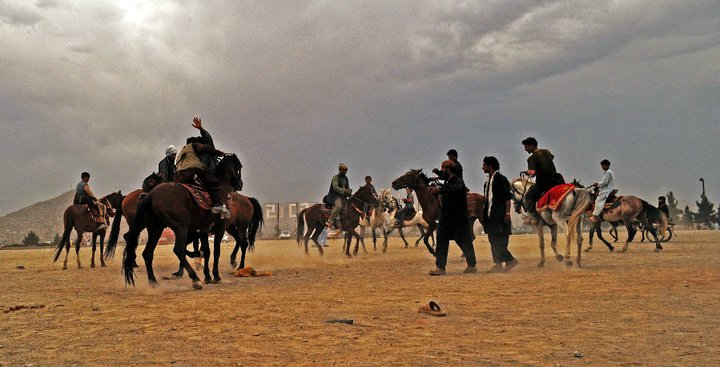
Afghanistan’s National Sport is the brutal Buzkashi. Traditionally, horse riders would fight over the carcass of an animal, usually a goat. This one, however, was being played with a sand bag. The Taliban does not approve of this game, and has targeted such games with several suicide attacks in the past. As a rule, women are not allowed to watch this game.

_____________________________________________________________________________

6. A Tourist in Afghanistan

Meet Ibrahim, a tourist visiting the town of Kabul.

At the time of the civil war, when the warlords could not handle free Afghanistan, they left the country in shambles. A young man, Naveed, migrated to Karachi, Pakistan, where he fell in love with a Kashmiri woman and married her.

After eighteen years, their son, Ibrahim, visited the land of his father to trace their footsteps and learn the history that forced them out of this country.

____________________________________________________________________________

7. Street Cricket
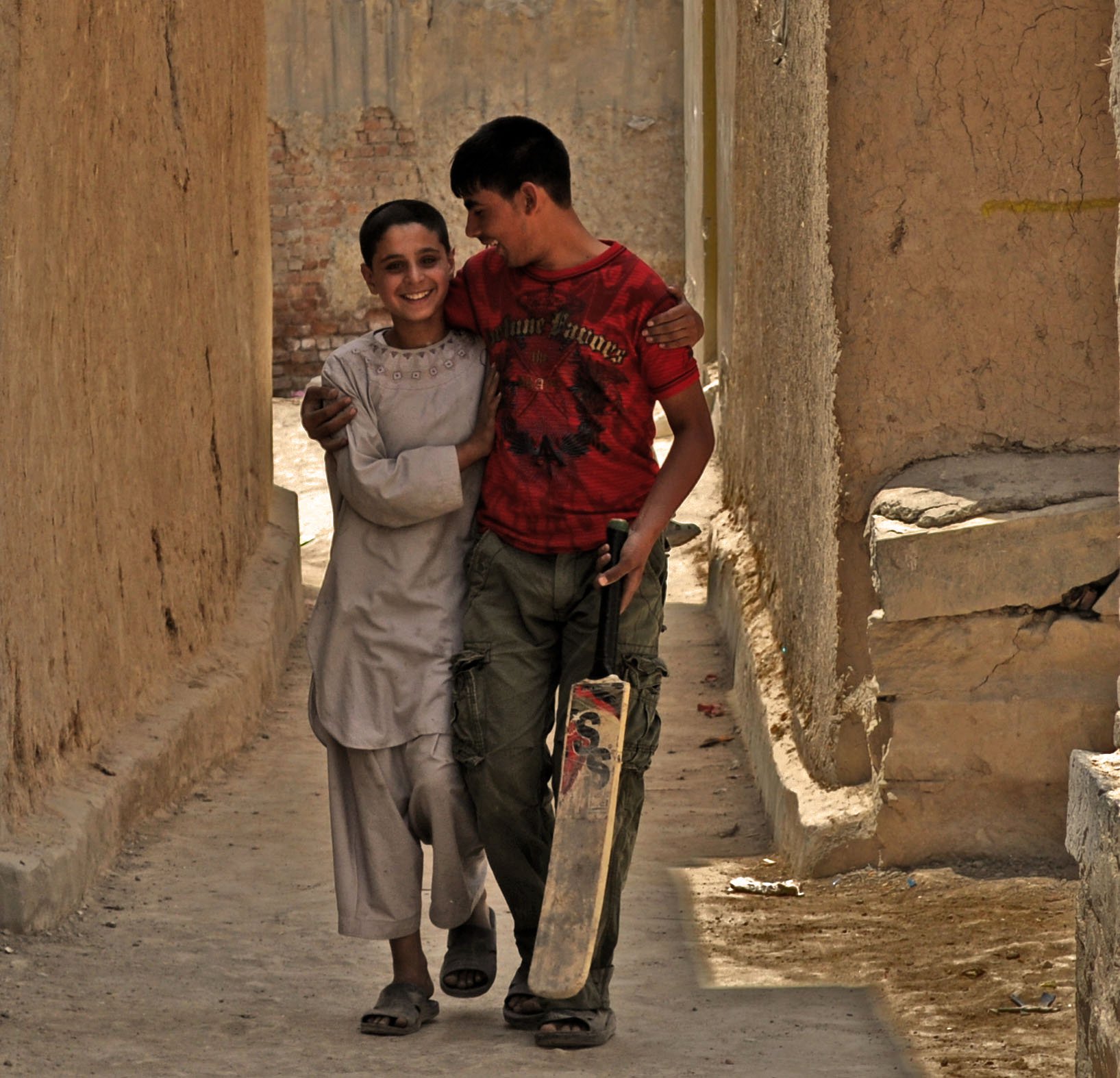
Although football is the most popular game amongst the kids, street cricket is a common sight on Fridays (Jumma).

_____________________________________________________________________________

8. The Birth Lottery

Being born in Afghanistan can indeed be difficult. Imagine the trauma of war that these innocent minds have to grow up with.

Only a quarter of the children get to start their school education, that too at the age of 7, while the others are found ragged on most of the streets tapping on the car window, begging for money. They sometimes ask for specific dollar amounts, or swirl cans of burning charcoal to rid your life of evil spirits. Unfortunately, the war has been brutal and several children often get killed in drone attacks.

_____________________________________________________________________________

9. Forgotten Waistlands
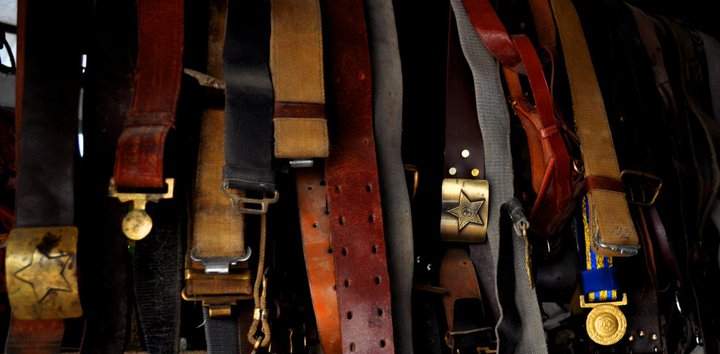
Belts, circa late 1980’s. The Russian army had invaded Afghanistan and were in a war with Afghanistan’s Mujhahidin fighters.

Mujhahidin fighters, with the help of Americans, brutally defeated the Russians. Some 15,000 Russian soldiers died fighting the war, many of them killed by American surface-to-air-missiles.
Today, in 2012, an antique shop in Kabul, Afghanistan, sells dozens of belts of those dead Russian soldiers, for American dollars.

This, to me, is symbolic of the intention of every American intervention.

_____________________________________________________________________________

10. Mellifluous Markets
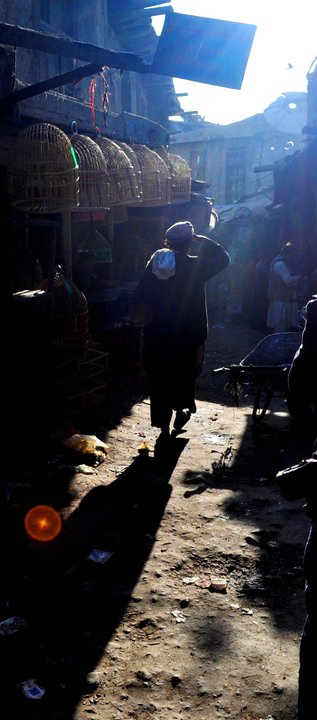
One of the oldest quarters of the Afghan capital, where a bazaar that caters especially to bird-keepers is located. The bazaar is known as Ka Farushi – the “Hay Market”.

The entry to the market is very small, so no vehicle can enter. Hence the air of the bird market – housing some of the world’s most sonorous birds such as canaries – is filled with the melodious sounds of birdsong.

_____________________________________________________________________________

The copyright of all photos are with Abhishek Srivastava. Please do not reprint without permission.
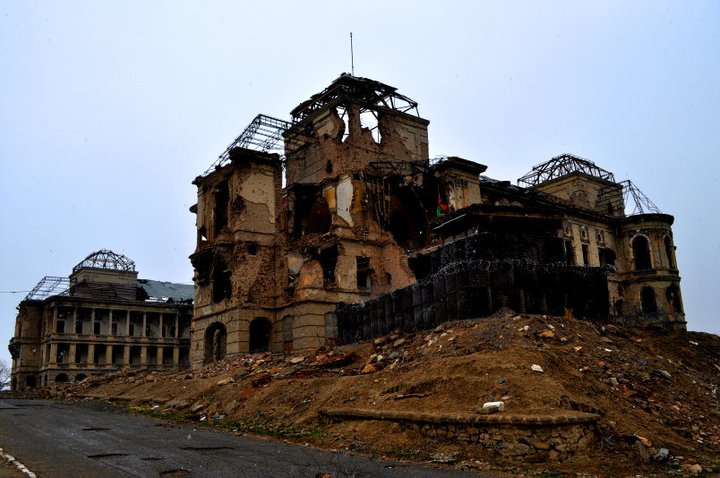
Photo Essay: Stories from Kabul, Afghanistan

As part of a USAID project, Abhishek Srivastava worked in Kabul, Afghanistan on AMDEP (Afghanistan Media Development and Empowerment Program). The principal goal of the project is to train and assist Afghan journalists and students of Kabul University on the nuances of reporting. Abhishek tells us stories of people and places in Kabul using his photos as a medium. This is the first in a series of photo-essays on Kabul.

_____________________________________________________________________________

By Abhishek Srivastava, 23 Dec, 2011

1. The remains of the Darul Aman Palace

Built in 1920s by King Amanullah Khan to modernize Afghanistan, is this Darul Aman Palace. Well, not any more.

Located just ten miles from the main city of Kabul, the building was set on fire during the Communist coup of 1978. It was damaged again as rival Mujahideen factions fought for control of Kabul during the early 1990s. Heavy shelling by the Mujahideen after the end of the Soviet invasion left the building a gutted ruin.

The building tells a story of the times the country has withered.

_____________________________________________________________________________

2. Women – Power and powerlessness 

One of woman MPs in Wolesi Jirga, the lower house of the Afghanistan parliament. The women MPs – elected via reservations – are not encouraged to be in a position of power.

This takes me to a few conversations I had in Kabul.

I once asked a male Member of Parliament, ‘how come none of the women nominate themselves for the post of the speaker?’ He replied, ‘who will vote for a woman?’

Another time, I went to an Afghan journalist friend’s home where he, another local Afghan journalist and I ended up watching an old Bollywood film by Sanjeev Kumar, starring Rajesh Khanna and Mumtaz. The film was about the husband (Rajesh Khanna) doubting his wife (Mumtaz) for having an affair with his friend (Sanjeev Kumar). As the plot develops, so does the husband’s doubt. However, his doubt is shown not to have any substance and the allegations he makes are not true. Eventually, the husband slaps the wife and they separate.

The moment the man slaps the wife, both of my journalist friends show no end to their joy and erupt with this immense reassurance in the idea of ‘ideal manhood’. I ask them, ‘what makes you so happy?’ They reply, ‘the woman deserves this’. I say, ‘but why, she has done nothing wrong. The husband is just being an ass!’ They say, ‘we know, but she should be careful of her husband’s doubts and feelings: it’s her duty to imagine all this!’

And these are two well educated journalists of Afghanistan!

_____________________________________________________________________________

3. The people

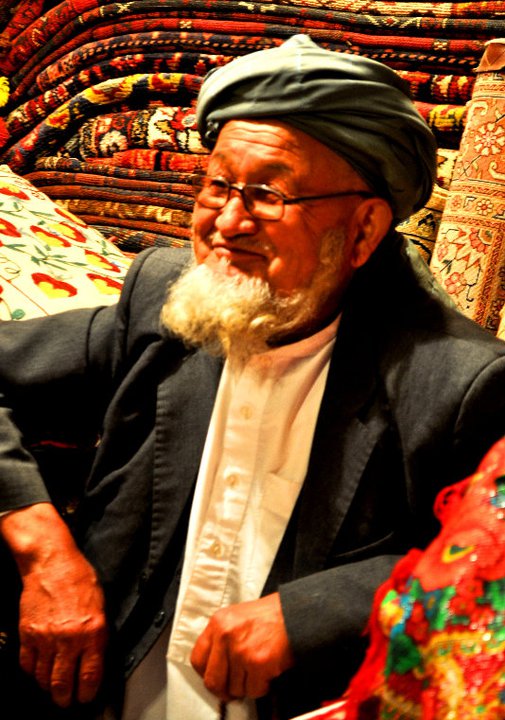
Meet Haji Rasool, a carpet dealer in Kabul, Afghanistan. He is originally from Uzbekistan, a neighboring country.

Afghanistan largely has four tribes, Pashtoons, Tajiks, Hazras and Uzbeks.
Hamid Karzai, the President of Afghanistan, is a Tajik.

Pashtoons are Pathans and claim to be original Afghans. They are in the majority. Tajiks are from Tajakistan, Uzbeks from Uzbekistan and Hazras come from this province called Bamian. The Bamian province is infamous for the bombing of the Buddha statue by the Taliban.

Hazras and Uzbeks are direct descendants of Ghengiz Khan and the Mongolian clan. Afghanistan fell into the southern part of the silk route, that crosses the high mountains, passed through northern Pakistan, over the Hindu Kush mountains, and into Afghanistan, rejoining the northern route near Merv. The Uzbeks and Hazras are hence a part of the famous Han Dynasty of the traditional Chinese civilization.

_____________________________________________________________________________

4. The Qarga Lake

The Qarga Lake is situated 10kms from the city. It is set in the barren hills, north-west Kabul. This artificial lake was created in the late 50’s by President Daoud as a recreation facility.

I felt blissful entering this serene area with clear air, just a 20 minutes drive from the dusty confines of Kabul. This area is also home to the Kabul Golf Course.

_____________________________________________________________________________

5. Maintaining a vigil

Meet Jameel, a night guard.

This is the city where the Taliban suicide bombers force themselves in and first fire indiscriminately. When they exhaust all their ammunation, they blow themselves up. Guards such as Jameel have to face such threats with nothing more than courage and an inadequate firearm.

_____________________________________________________________________________

6. The skies

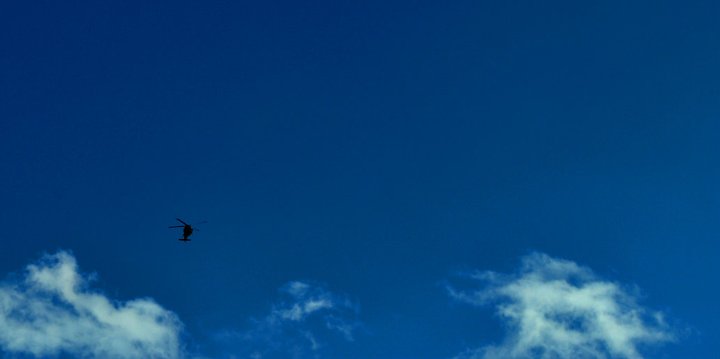
If not a bird, you will definitely spot a Sikorsky UH-60 Black Hawk in Kabul. The sky is flooded with them, mostly transporting NATO officials/soldiers, VVIPs, and UN officials from one point to other. Travelling on road is not a safe option for them.

_____________________________________________________________________________

7. Evenings in Kabul

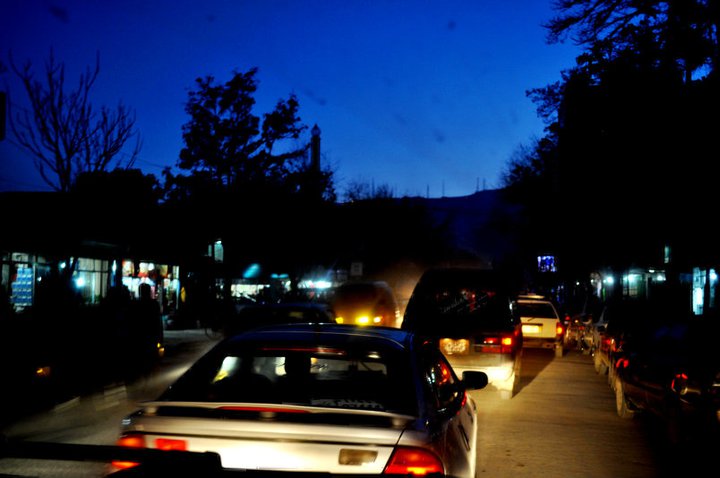
Kabul at 6 in the evening. The city works between 8am-4pm. Offices close by 4pm, and shops by 6.30pm. I have not seen the concept of street lights in Kabul. In fact, the photo above is from one of the most posh areas in Kabul, called Sher-e-Naw.

The vibrant colorful shops keep the city alive and glimmer the roads till about 7pm. No one is seen venturing out into the city after 8pm. After that, it is only the beautiful dark blue sky to give you company.

_____________________________________________________________________________

8. Trees

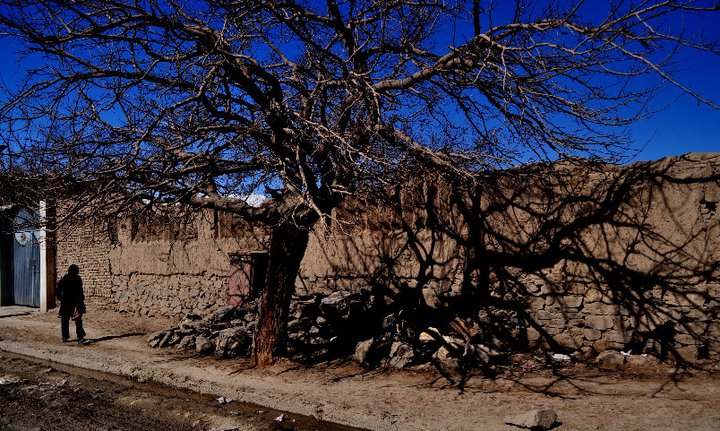
The streets in Kabul give a very dry look, pretty much like the climate here. The trees are leafless because of the weather. In the winter, snow takes the place of the leaves, beautifully forming a white layer on the branches.

Kabul in winters appears like a desert; a cold one. It used to have a lot more trees, but the Soviets cut down most of them for security reasons (the mujahadeen hid in them to snipe at the Soviets).

After the Soviets left and the warlords fell to fighting one another, the city was shelled for almost three straight years from 1993 to 1996, destroying or damaging more trees. Then when the Taliban was in power, they paid little attention to planting new trees.

With no Taliban now, trees are being planted, but at a slow pace. At the same time, existing trees are being cut for firewood. If the outer portions of the trees run out, people go for the roots!

_____________________________________________________________________________

9. The Kabul Bread Factory

The famous Kabul Bread Factory was built by the Soviet 40th Army.

This old barren structure standing tall was once feeding mostly the soldiers fighting the civil war. It used to process and grind 141,000 tons of wheat and was used to cook 40,000 tons of food items such as bread, cookies and spaghetti before the wars. However, it was completely destroyed during the wars and all its machinery was looted.

Knowing its history, it felt surreal to look at this structure and feel its stillness.

_____________________________________________________________________________

10. Education

This young boy I met wanted a biscuit. It was a time in the day when he should have been in school.

Afghanistan suffers from a broken education system. It has been particularly bad for girls. The lack of schools in minority villages, long distances of schools from some areas, and cultural traditions have prevented girls from going to school. Where there are no schools, most of the children work in the fields.

_____________________________________________________________________________

The copyright of all photos are with Abhishek Srivastava. Please do not reprint without permission. 
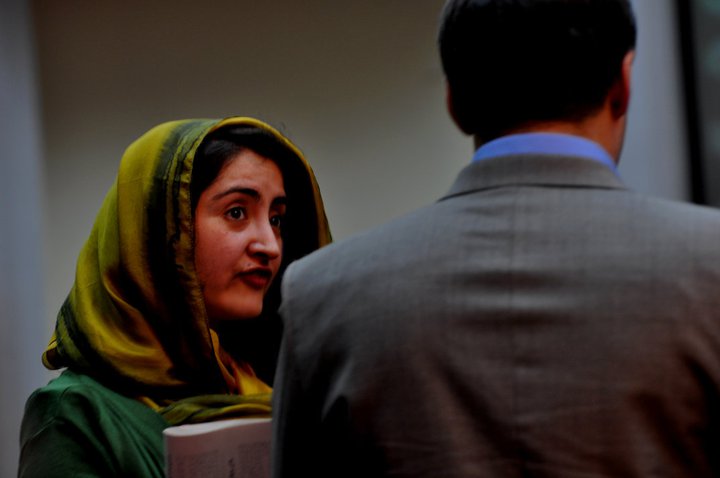
Photo Reportage: A Taste of Costa Rican Culture

In this post, the author shares photographs taken during a trip to Costa Rica in summer 2010.


By David Franco, 16 Dec, 2011

Located between Nicaragüa and Panamá and flanked by the North Pacific Ocean and the Caribbean Sea, Costa Rica proclaimed its independence from Spain in 1821 and gained full sovereignty in 1838. Today, Costa Rica is Central America’s most prosperous country and one of the few nations in the world to have voluntarily given up its army. The country is known for its rich natural resources and agricultural products (including coffee, sugar, bananas, and beans), an impressive biodiversity, and a very friendly indigenous population. Its rapid industrial development and specialisation in microprocessors, food processing, medical equipment, textiles and clothing, construction materials, fertilizer, and plastic products make it a very attractive economy for foreign investors. I know it sounds a bit of a cliche, but two words define this fantastic country: Pura Vida.

_____________________________________________________________________________

1. Ticos in San José

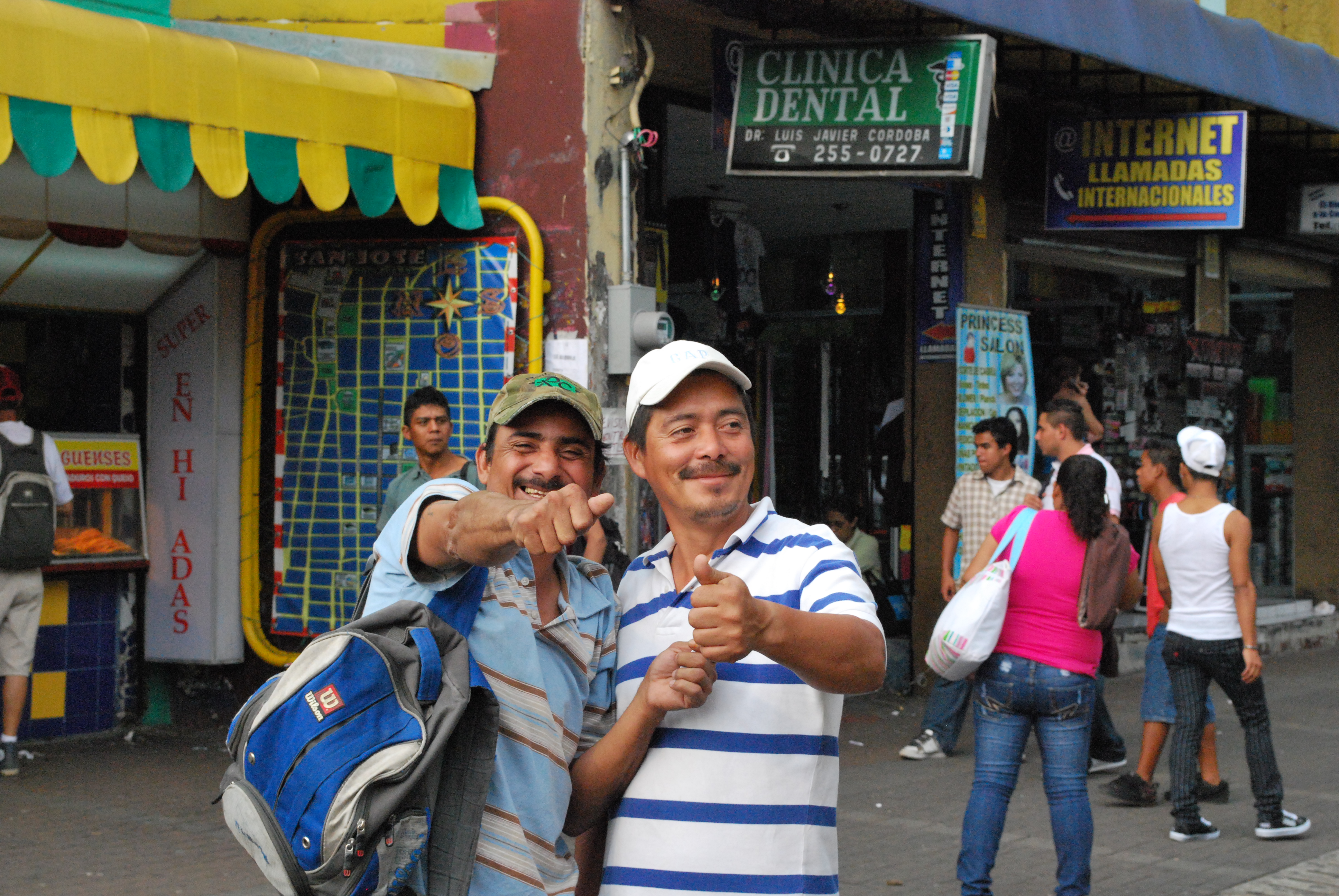
Costa Ricans are known as Ticos and are extremely friendly and approachable. Wherever you go they welcome you with a big smile and wish you Pura Vida, an expression that perfectly exemplifies their attitude towards life. Of approximately 4.5 million inhabitants, it is estimated that between half a million and a million have Nicaraguan origin as many left Nicaragua following the 1979 Sandinista Revolution against the Somoza regime and the subsequent economic struggles during the nineties. Usually known as a peaceful and accepting nation, Nicaraguans are nonetheless often the subject of racist comments from local population. However, it is fair to say that generally speaking Ticos and Nicaraguans coexist peacefully as the photograph above illustrates (the gentleman in the right is of Nicaraguan origin).


2. Mercado Central, San José

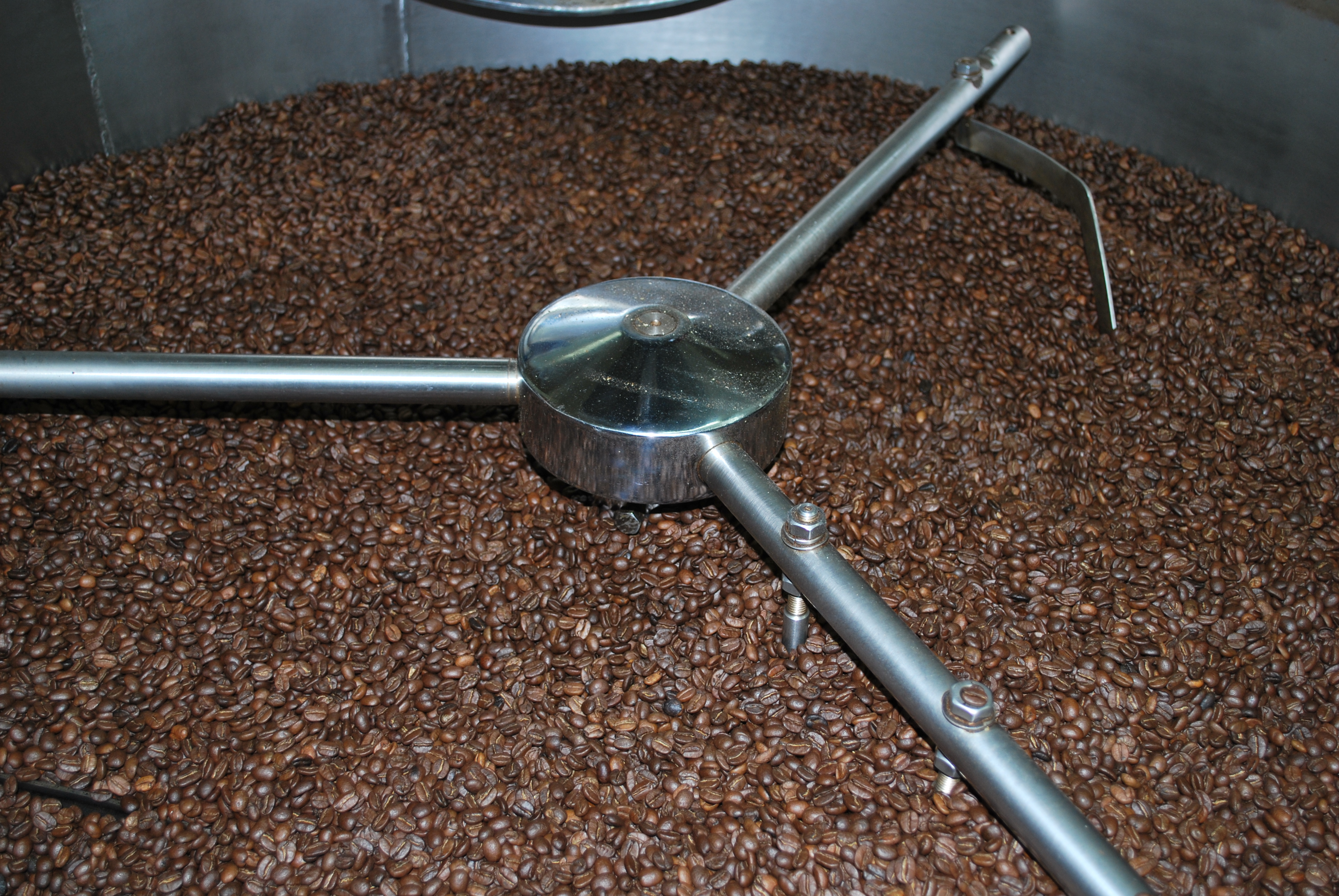
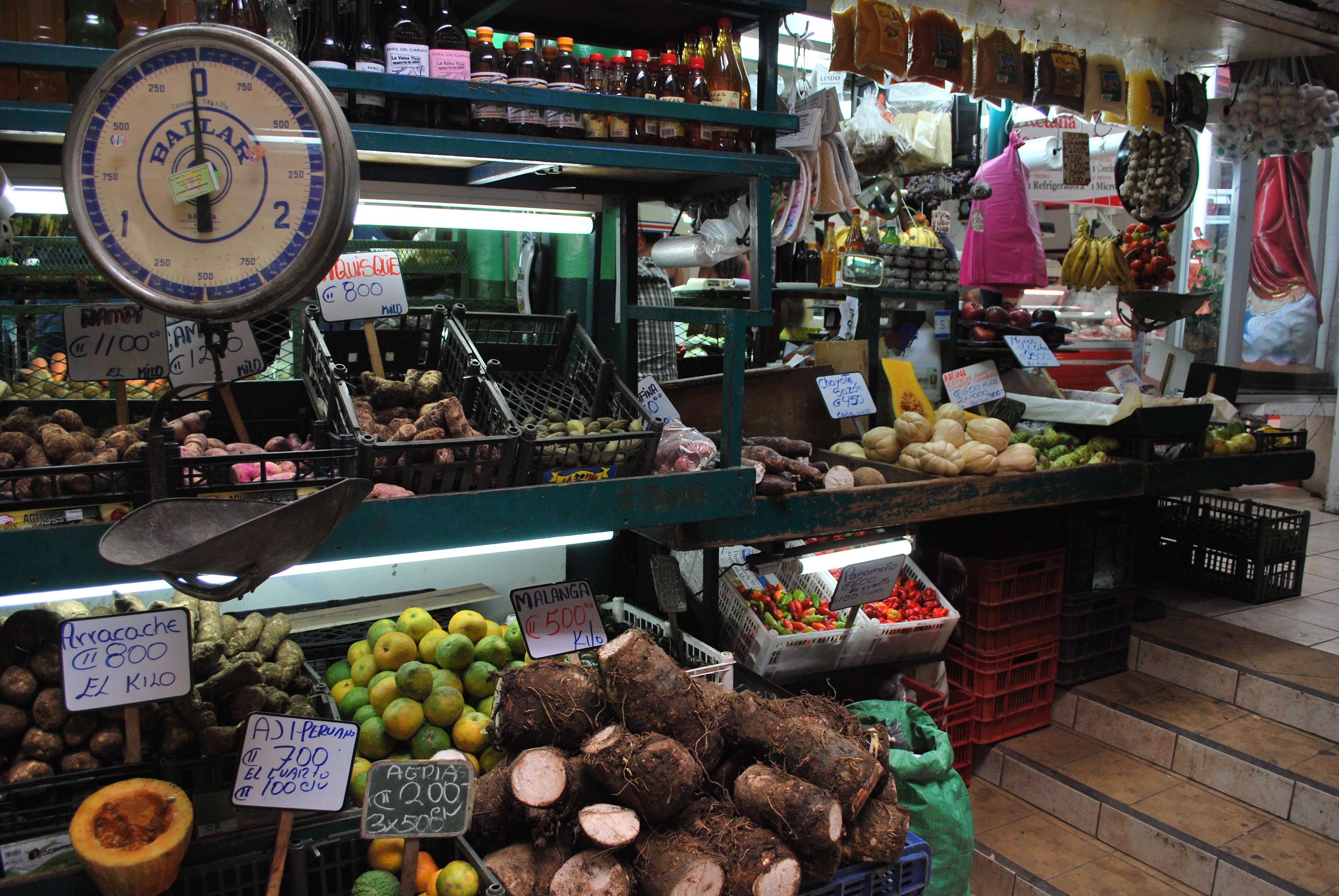
San José is Costa Rica’s capital and home to the Central Market or Mercado Central. For a first-time visitor, the Mercado Central is a perfect introduction to Costa Rica’s culture and cuisine. Populated with infinite numerous family-owned eateries and small stands covered with piled fruits of all sorts, it is the capital’s little treasure and a must if you find yourself wandering the streets of San José. Walk around, interact with the locals, take a typical Costa Rican meal at one of the numerous sodas, and round it all up with a cup of coffee made from the finest Costa Rican beans.


3. Parque Nacional de Tortuguero

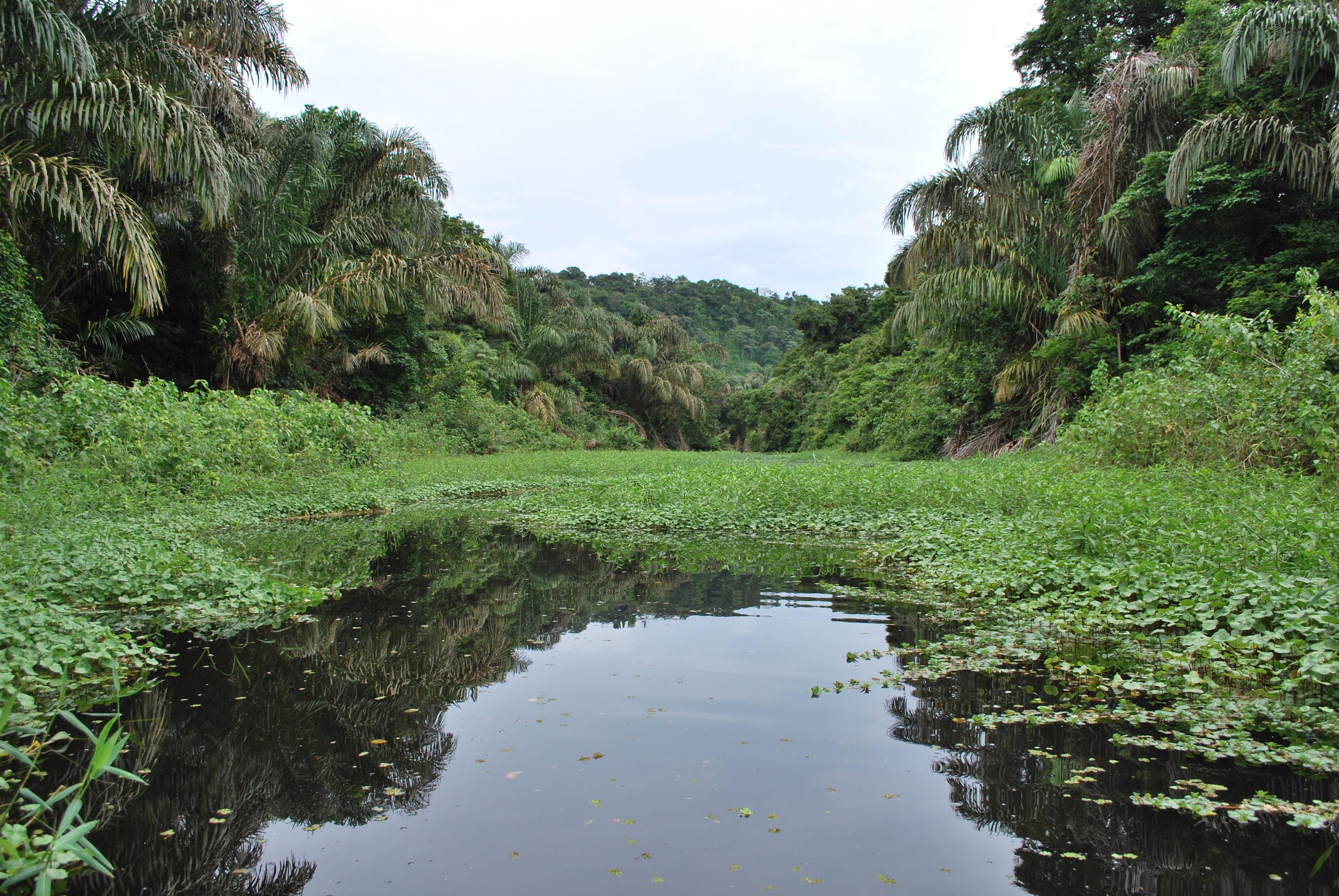
Literally meaning “Turtle Place”, Tortuguero is a small village located in the Northeast, 31,187-hectare costal National Park of Tortuguero and approximately 50 miles north of Puerto Limon. Both town and park owe their name to the hundreds of Green, Leatherback, and Hawksbill Sea Turtles that nest every year alongside the wide shorelines. Witnessing the turtles nest at night under the light of a white, round moon is a brief but enduring experience. Unfortunately, turtles are an endangered species as centuries of hunt have led to a worrying decrease in their numbers. And although Costa Rican legislation has toughened in that respect, many still worry that clandestine hunting is still common practice. Be that as it may, Tortuguero is a realm of peace as the photograph above crystallises: all you need to do is jump on a canoe, paddle your way through the canals and spend the morning fishing. Locals will then help you cook a delicious soup called Rondón.


4. Puerto Viejo

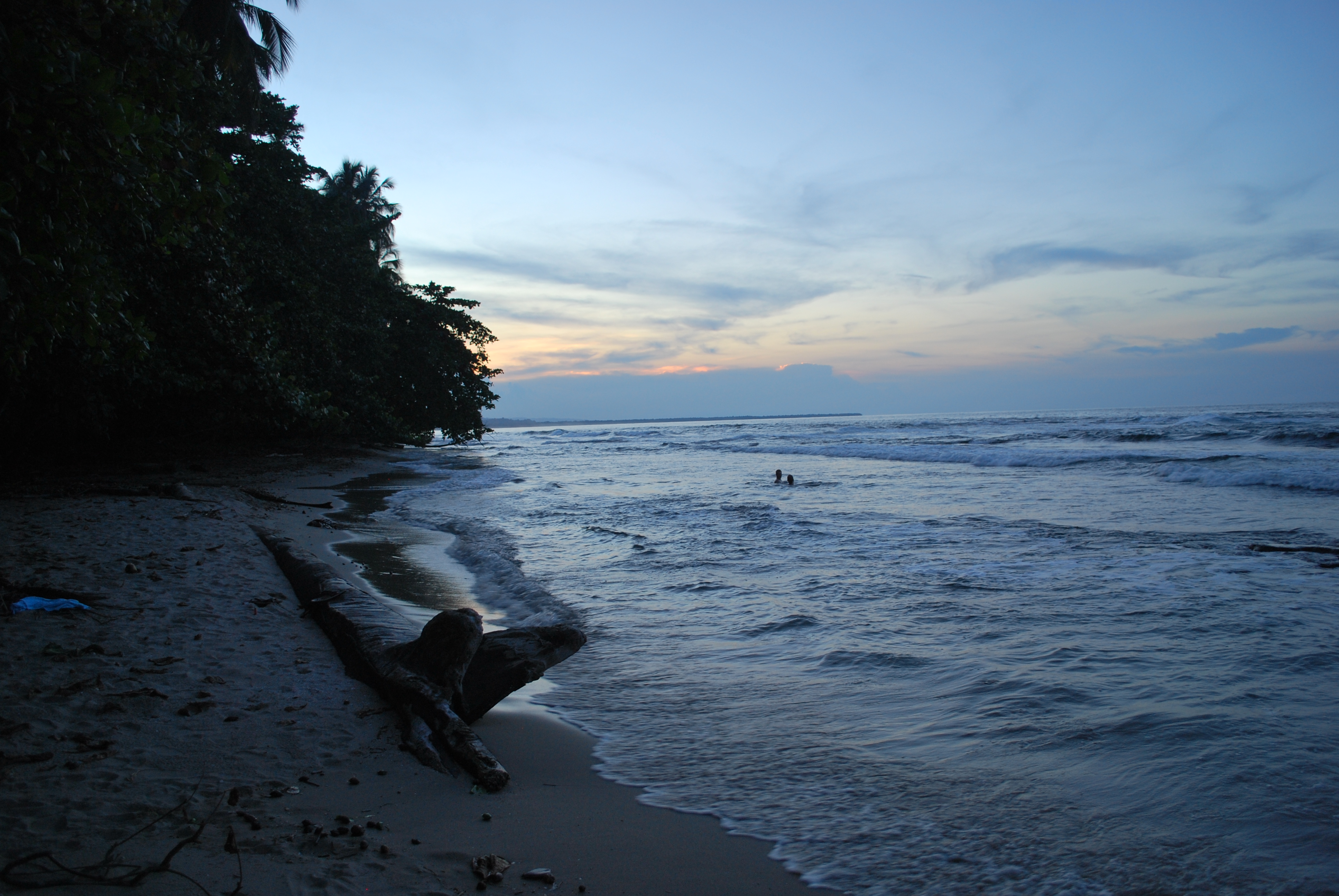
Puerto Viejo is unique in itself. Located in Costa Rica’s Caribbean coastline, Puerto Viejo is home to a mixture of Jamaican, European, and Afro-Caribbean cultures. Everywhere you go you can listen to locals speaking some sort of Creole English. Surf, fishing, night life, and a rich cuisine can easily turn this place into a trap as many Europeans who came for a few days yet stayed for years will happily testify. I could have chosen a photograph of a local surfing the acclaimed Salsa Brava but I prefer the above picture as it reflects the best of that magical place: when the sun goes down, take a swim and let the warmth of the Caribbean wash away all your burdens. Puerto Viejo really is the place to experience and on top of all that it is very close to Manzanillo and Cahuita.


5. Imperial

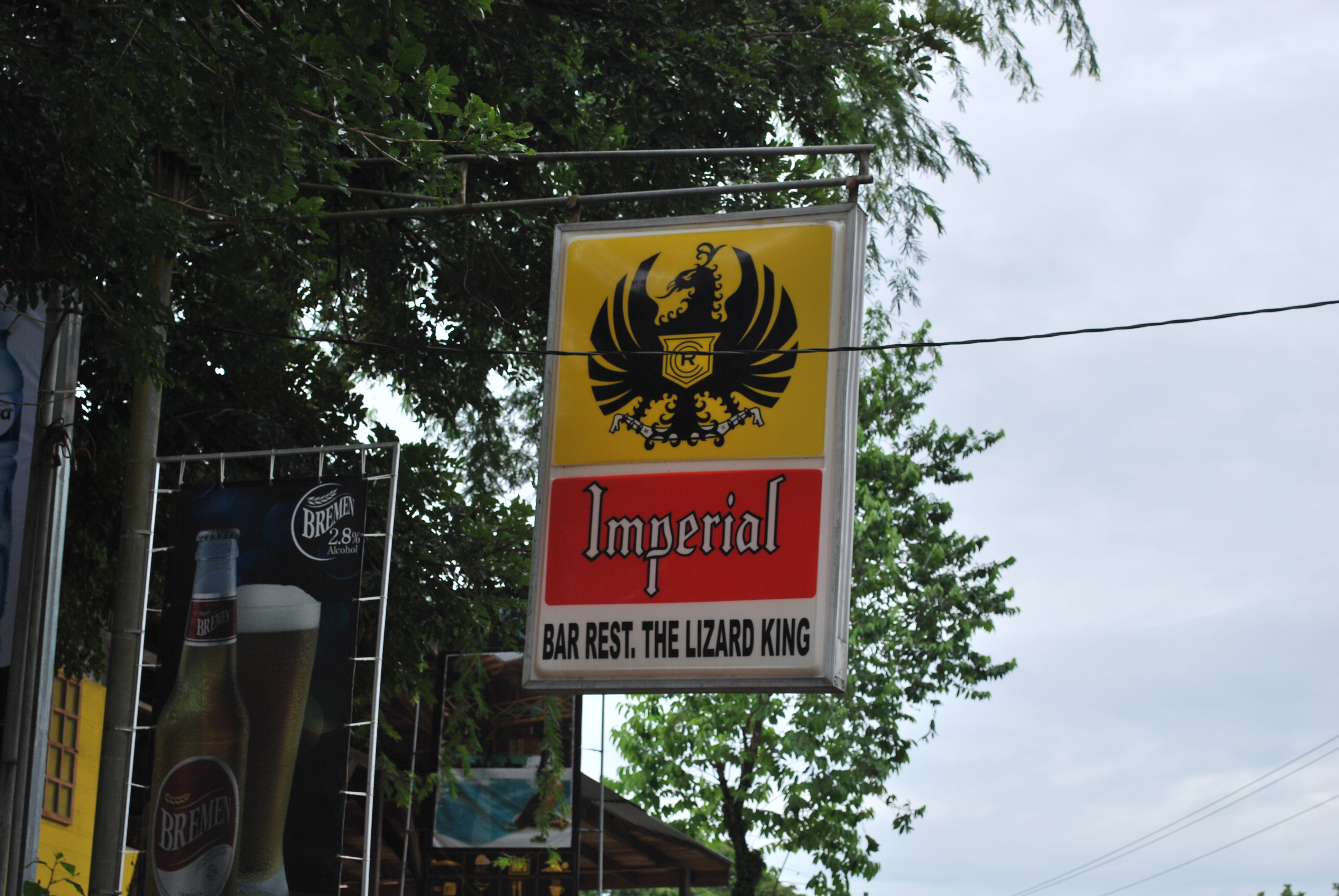
Any reportage on Costa Rican culture and society needs to cover the country’s beer Imperial. Not that I like beer myself as I am allergic to barley, but a reference to the preferred beer of the majority of Ticos is necessary as the entire Costa Rican landscape is populated with signs showing the Imperial Eagle. Born in 1924 at the Ortega family-owned brewery, Imperial combined German beer tradition with the taste of Costa Ricans. In 1957 the Ortega brewery was acquired by the Jamaican FIFCO (Florida Ice & Farm Co), owner also since 1912 of the Traube brewery and Costa Rica’s second most popular beer Pilsen, and soon after Imperial became a national emblem. In the words of FIFCO, throughout history Imperial has traditionally reflected the character of ticos: cheerful, kind, sociable, popular, and proud of their country. By the way, today Imperial announced that it has finally set a date in 2012 for its popular annual Music Festival after four years of absence.


6. Cahuita, the sea, and the sloth sanctuary

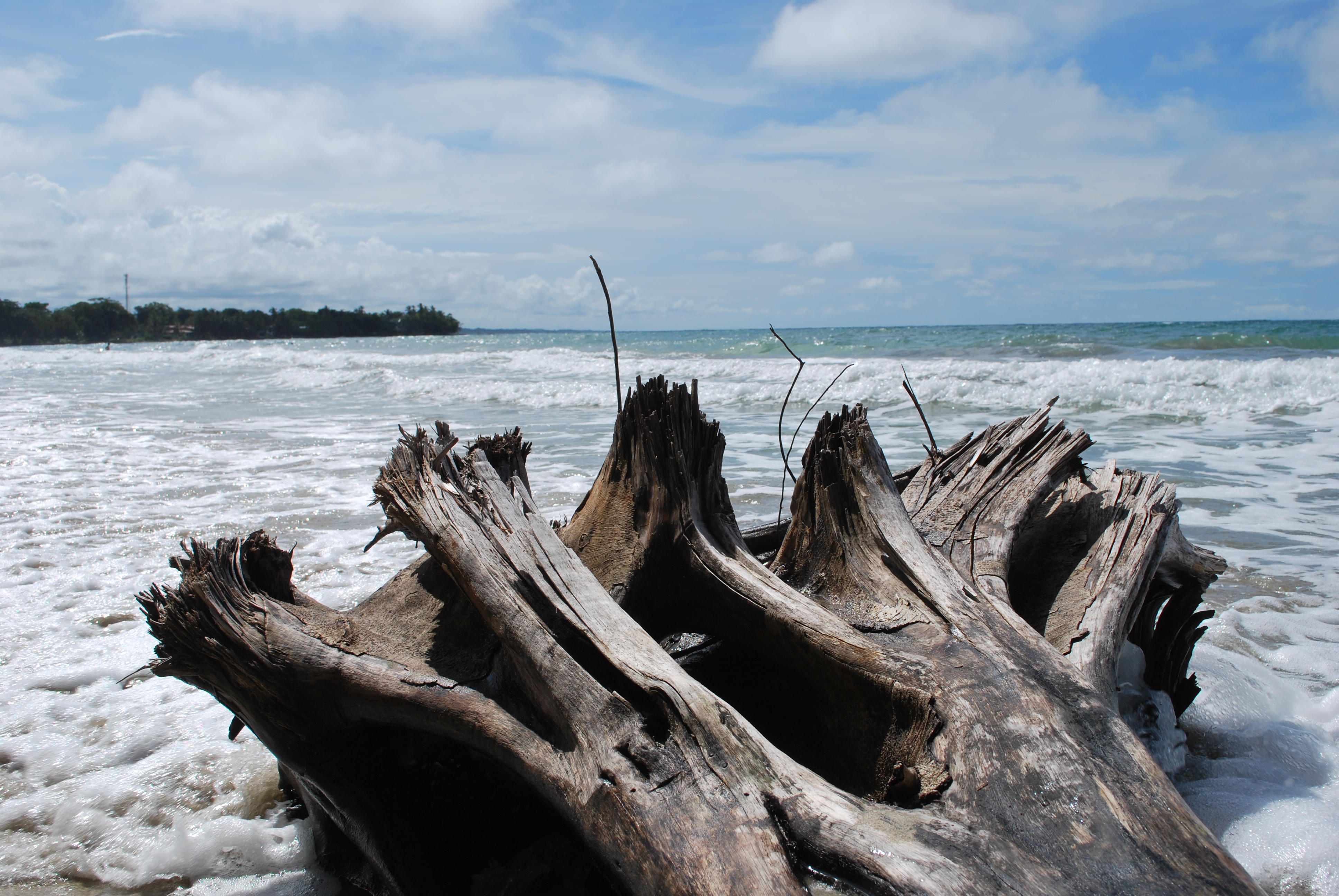
Cahuita also deserves a mention of its own. Surprisingly small and located on Costa Rica’s Caribbean coastline between Limon and Costa Rica’s border post of Sixaola, Cahuita hides a real treasure: a long, desert white-sanded beach flanked by an Aviarios Sloth Sanctuary where some two hundred baby, orphan sloths are looked after and rehabilitated before being returned to the wild. The town is magical but incredibly small, and the transparency of its waters as well as the sloths’ almost invisible presence is definitely worth the effort of travelling to that remote place of the world.


7. Costa Rica: A life full of colour

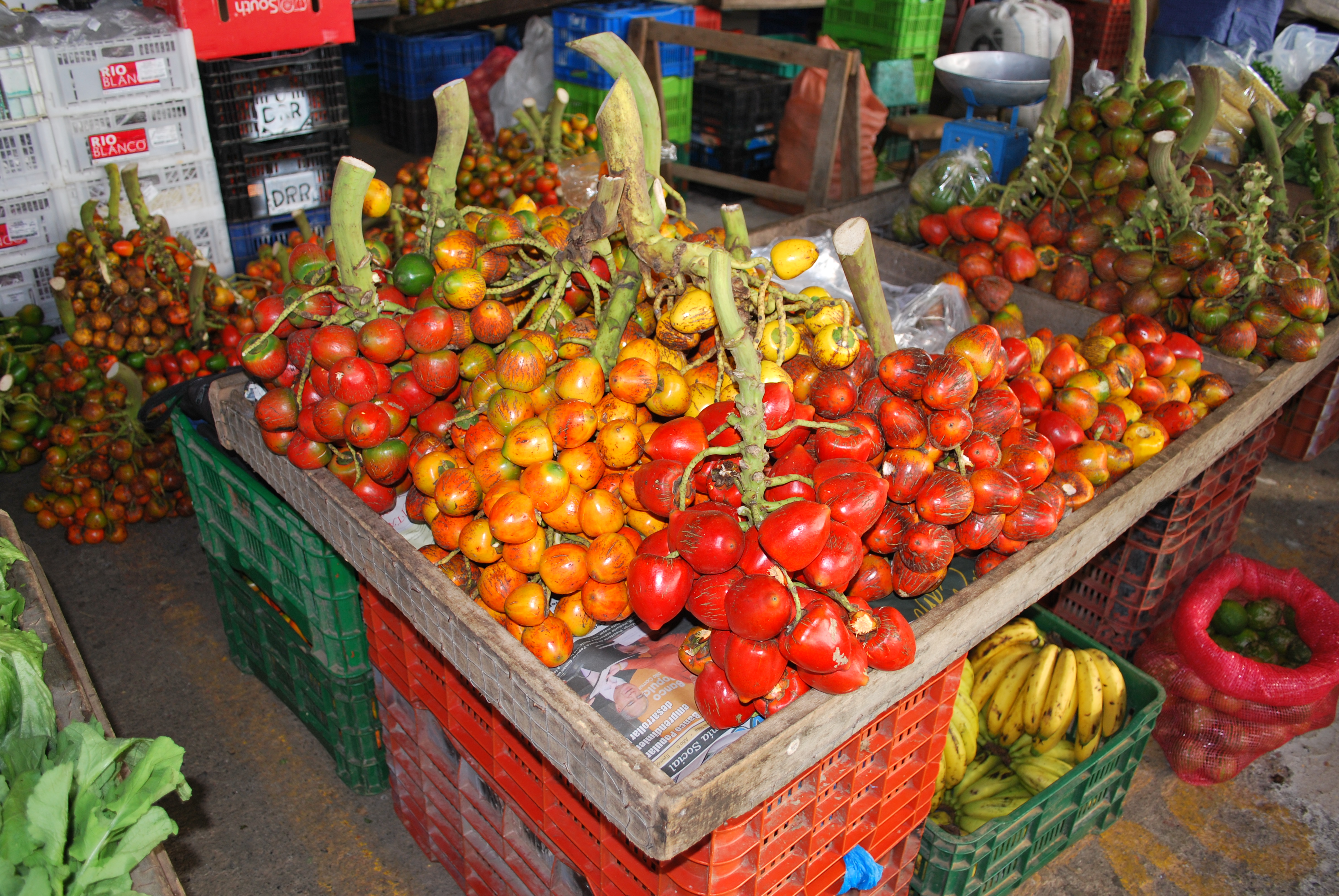
My last chosen photograph has a clear purpose: in addition to all the green and blue of Costa Rica’s natural parks and sea, the country is full of live colours deriving directly from its home grown agricultural products. Wherever you go, towns are always filled with street markets selling a wide range of fruits and vegetables. Their colour is so powerful that it inevitably cheers you up. Apart from the Mercado Central mentioned above, one cannot miss out on this market located in San Isidro de El General, a rapidly growing town located some 120 km Southeast of San Jose and 30 km North of Dominical in the Puntarenas Province.

Conclusion

As the title of this entry indicates, the above is meant to be a brief taste of Costa Rican culture. Geographically, it provides snapshots of the center and East coast of the country leaving aside the West coast for a very simple reason: the entire country is amazing but my preference lies with the east coast as it is, in my view, less Americanised and more authentic (these are generalisations and of course there is a bit of both everywhere). The reportage also leaves unexplored some other fantastic areas located in the heart of the land either because I was not able to cover these due to shortage of time or because I do not keep photographs of some of the places I went to, such as El Arenal or La Fortuna. The reportage also leaves aside other less attractive aspects of Costa Rica such as poverty, crime, and drug trafficking in Limón, for example. This, too, is the result of a conscious decision as is the focus on culture and not on politics.

Photo Essay: 6 Reasons Why Terror is Gaining Momentum in Northern Nigeria

Looking for a Future

The state of Nigeria is facing its largest crisis in over a decade.  As the ferocity and popularity of the Islamist terrorist group Boko Haram rises, the very unity of the state is being challenged. This collection of photos assesses the reasons why the group is becoming increasingly attractive to the disaffected population in the north despite their gruesome tactics.

For more on Boko Haram see ‘The State of Terrorism in Nigeria’


By Jack Hamilton, 14 Dec 2011

1. The Lost Generation

The 'Lost' Generation

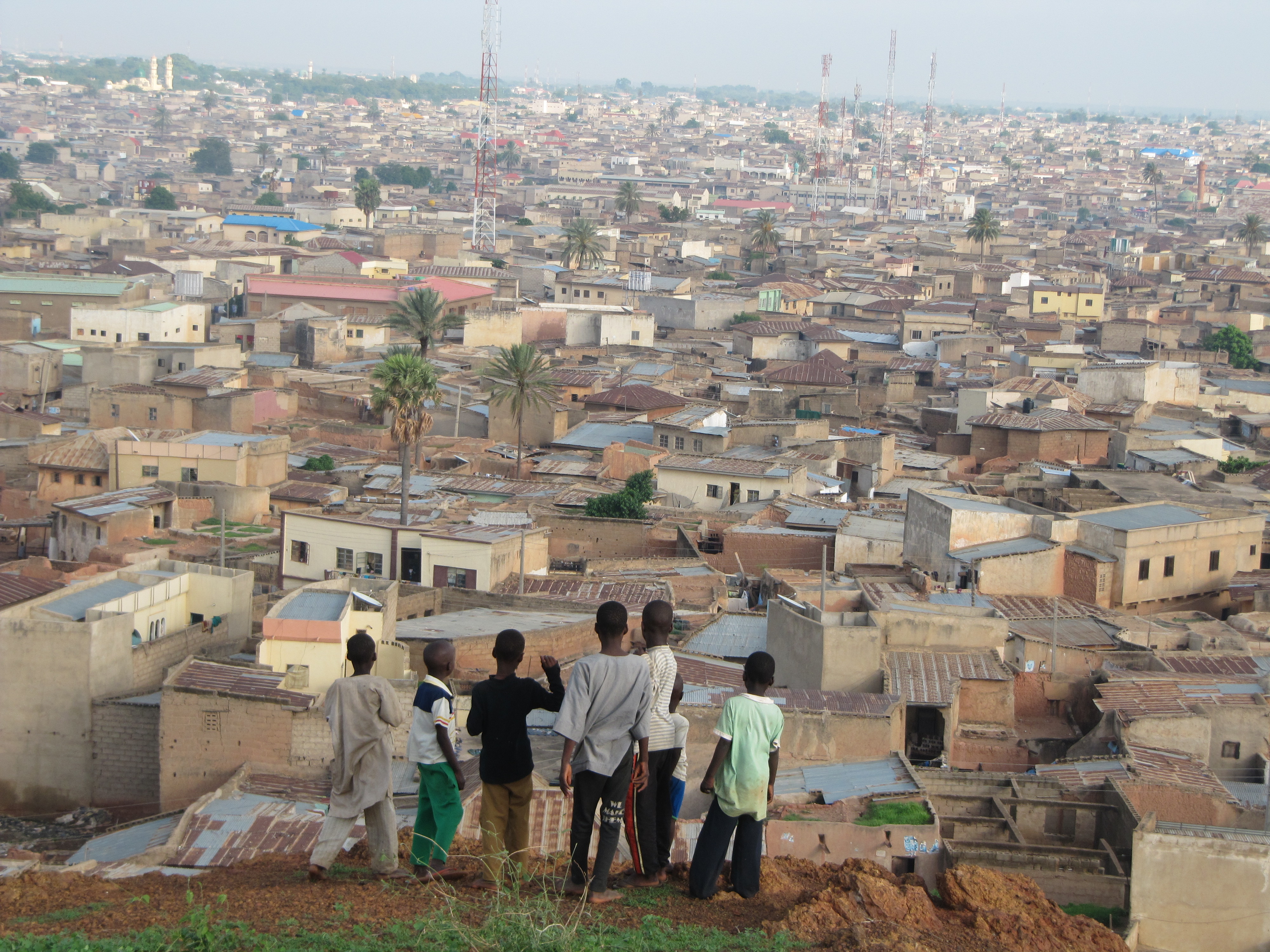
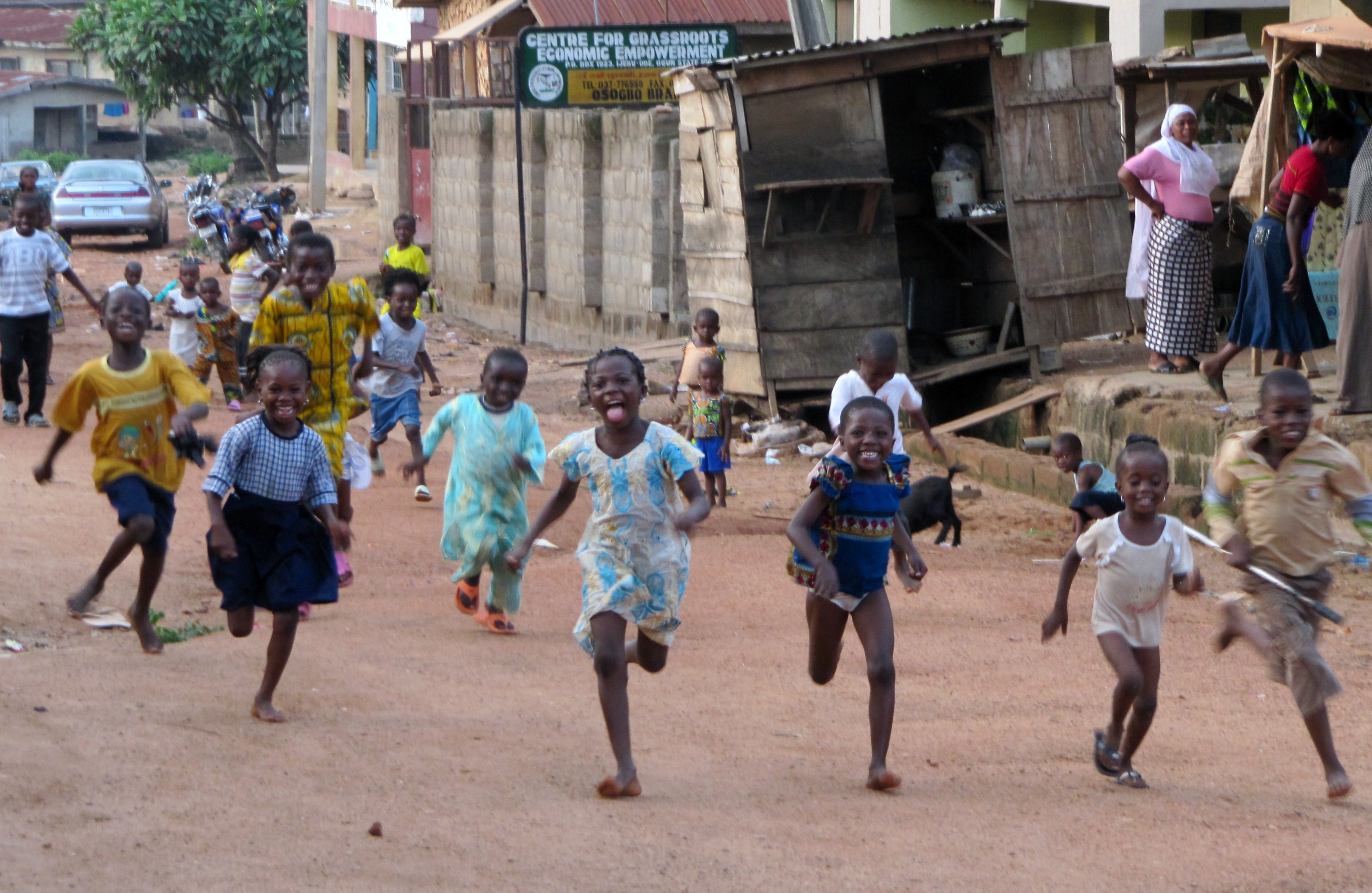
Northern Nigeria is a youthful place. Having maintained a high birth rate for decades, over half of the population is now under the age of 30. The average fertility rate in Nigeria is 5.7. In the northern states it is 7.3. This demographic shift has arrived at a time in which unemployment is rife and the perception of victimisation by the federal government is strengthening. There is now a generation of young, unemployed northern Nigerians who feel alienated from the central government and see flagrant displays of wealth in Nollywood films depicting the southern cities of Lagos and Port Harcourt. This sentiment of marginalisation has been utilised effectively in the propaganda of Boko Haram.


2. Religion

A Sign of the Times

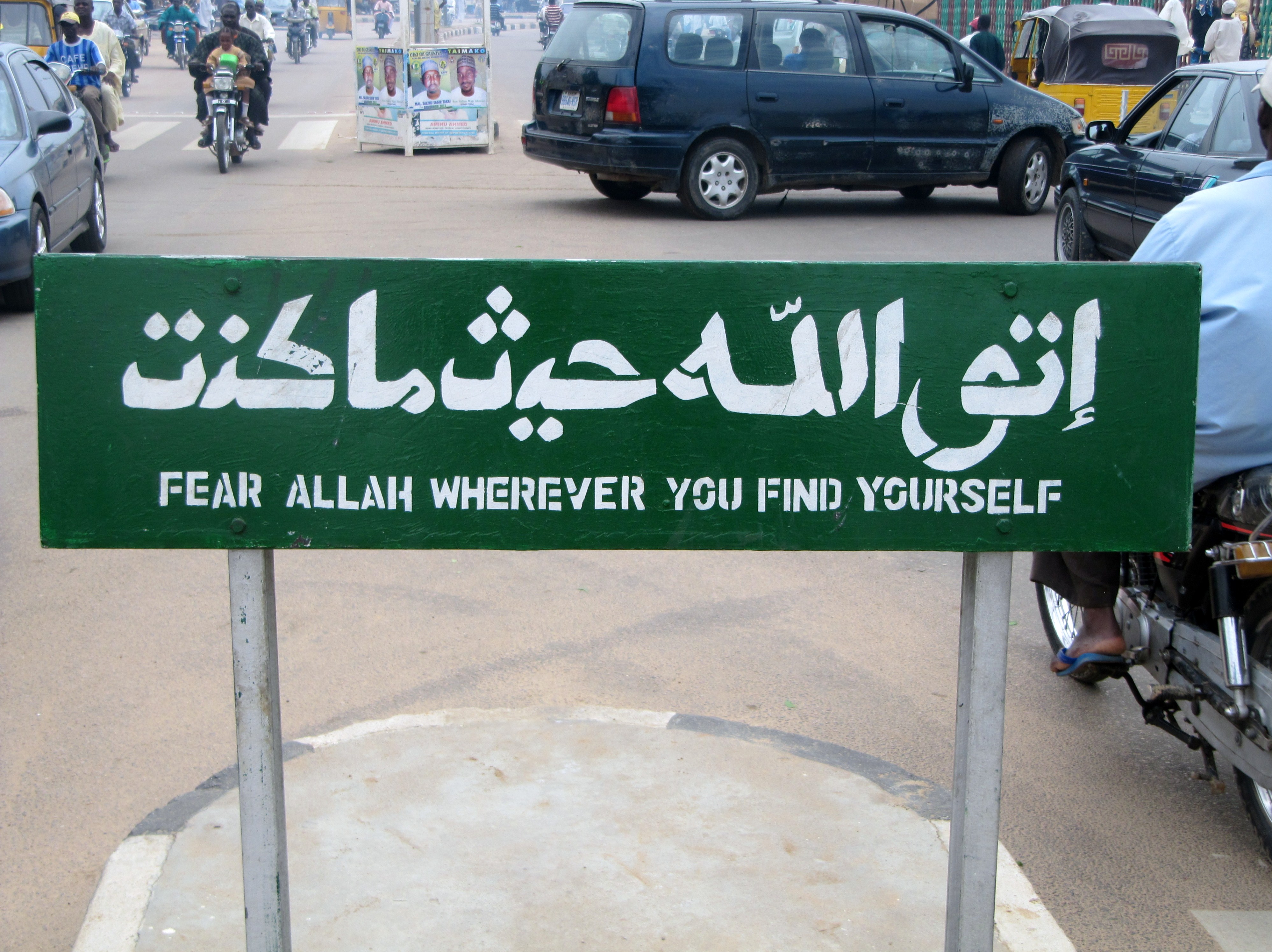
The use of religion as a political tool goes back to the pre-colonial era of Nigerian history.  Now a democratic state, in theory one religion should not take precedence over another (a notion enshrined in the Nigerian Constitution).  Despite this, religious disputes consume much of Nigeria  in an ongoing conflict which has claimed thousands of lives.  Politics, especially in electoral cycles, so often comes down to religion.

Boko Haram is a religious actor whose primary goal is to implement Sharia law across the entire state of Nigeria.  They claim that the 50.5% population of Muslims is underrepresented at a Federal level and advocate extreme violence to achieve their objectives.  It is clear that the vast majority of Muslims in Nigeria do not support the religious stance of the group but the popularity of Sharia law since its institution in the twelve northern states shows the strength of faith in the region.

The complexity of the ethno-religious conflicts engulfing the Middle Belt and the north of Nigeria is difficult to summarise here.  While the attacks of Boko Haram are frequently framed as solely religious actions the reality is a more complex conflagration of ethnicity, alienation, fear and insecurity.


3. Urban Planning

Street Politics

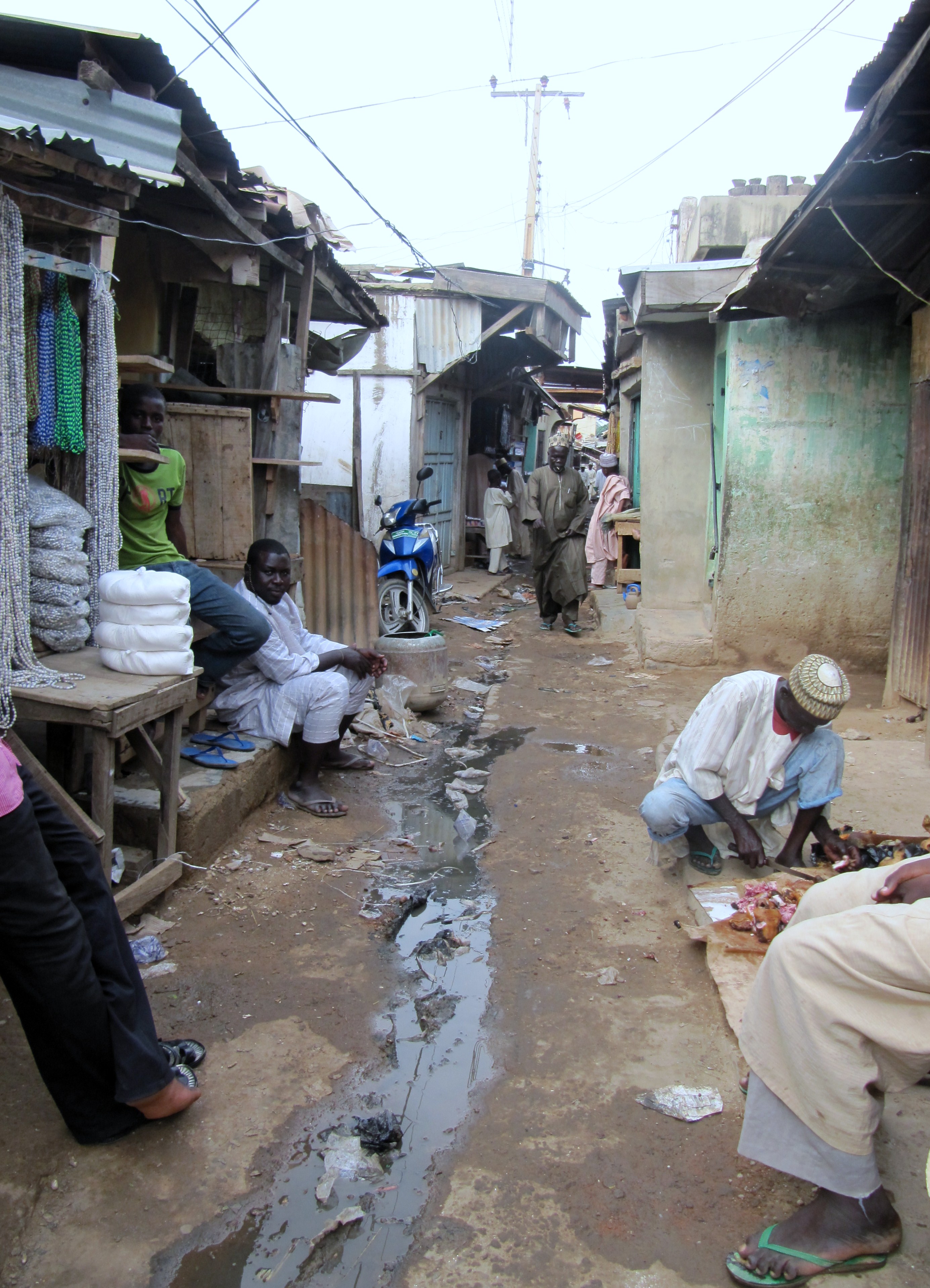
Islamic design resonates in the street networks of Kano. To ensure privacy and the seclusion of women the city does not have a regularized street network and instead seeks to avoid long lines of sight and open vantage points. A consequence of this urban planning has been that non-Muslim migrants to the city have been taken up residence in the non-Muslim enclave, ‘Sabon Gari’ (colloquially: ‘Sabo’). This has meant that the cities of the north have grown from having a single core to being polynucleated with conflicting parties living side by side but not together. When conflict erupts in urban areas, it can be explosive. Boko Haram attacks frequently target the ‘Sabo’ districts.


4. Mistrust

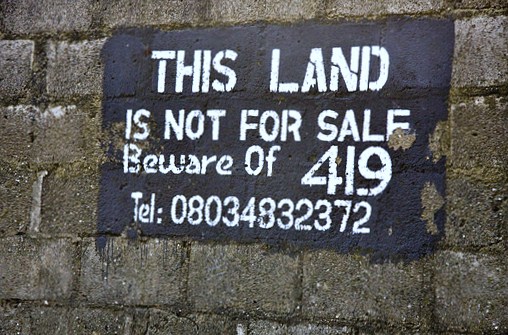
Beware 419

The mere mention of Nigeria often conjures the phrase ‘419’. While popularly known as an internet scam, the number is derived from the property laws in Nigeria in which Law 419 outlines property ownership. The phrase ‘Beware 419’ litters walls across the country to alert ‘potential buyers’ that the house is in fact inhabited and not for sale. After asking for a deposit up front the criminal will flee the scene leaving the ‘new owners’ to confront the current occupants. Mutual distrust is rife.


5. The Security Vacuum

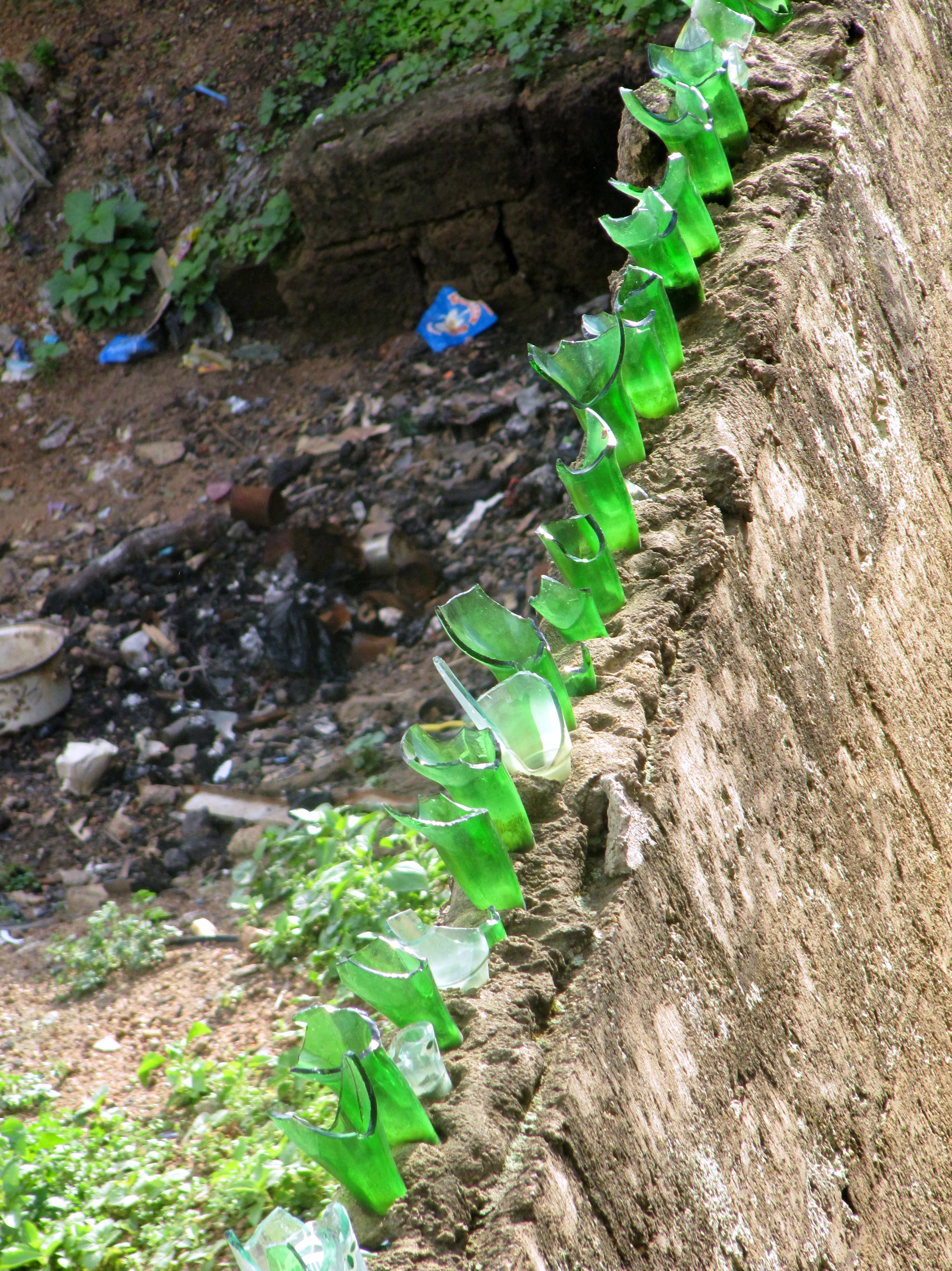
And if one green bottle should accidently fall...

Personal security takes primacy in the north of Nigeria. A lack of trust in the central authority of the state manifests itself in personal security measures. This picture shows the rows of broken glass bottles cemented into the top of a wall to deter intruders. Such walls surround houses in both high and low income areas as violent crime and theft is endemic. Disdain towards the Nigerian security forces have meant that the horrific bomb attacks of Boko Haram on police stations and international organisations have helped to garner support for the terrorist group.


6. Health

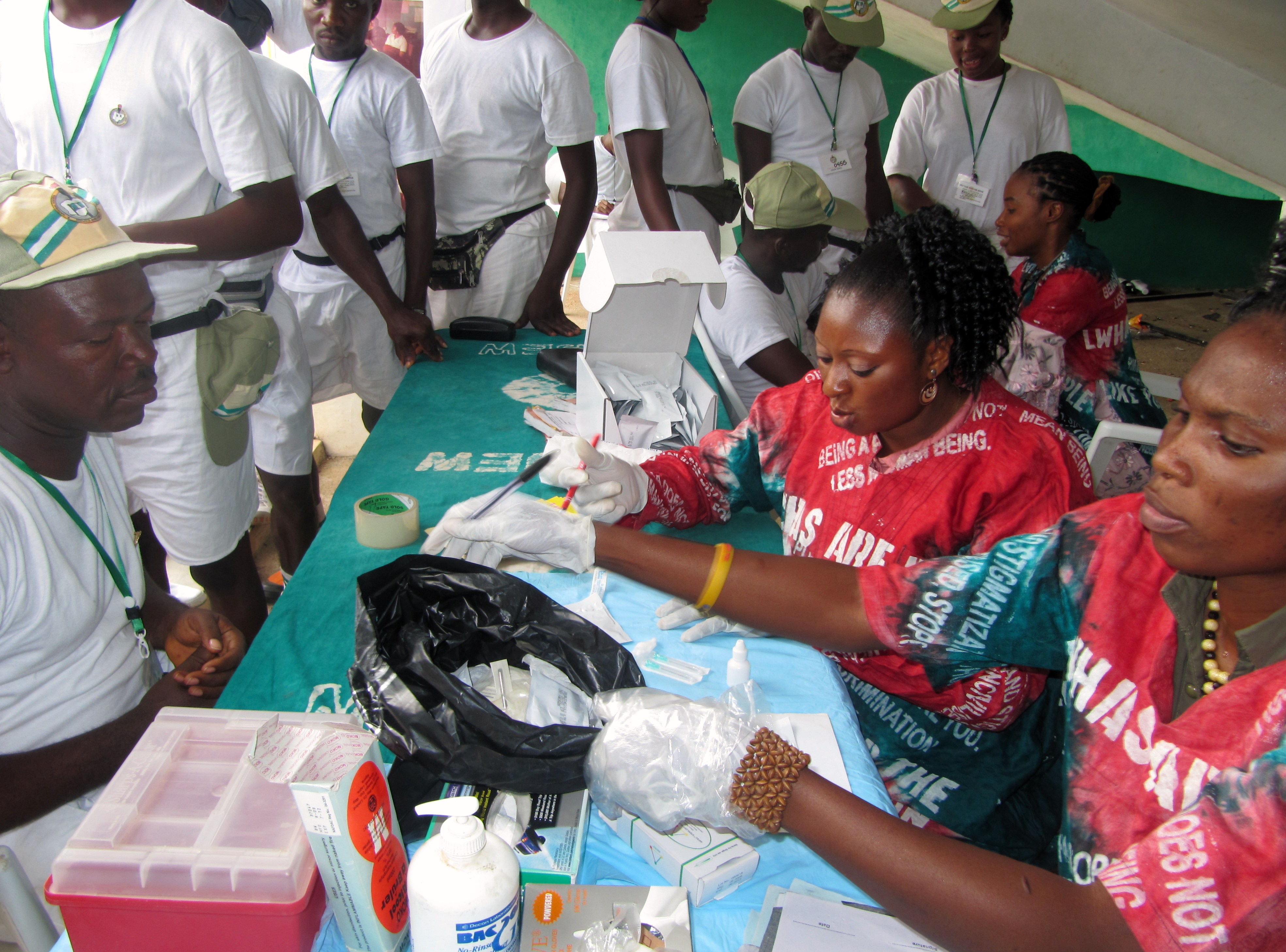
Testing Times

Northern Nigeria continuously faces a shortage of doctors known as a ‘brain drain’: doctors migrate to higher paying positions in the south of the country or further afield in Europe and North America. The issues of malnutrition and water shortages are taking their toll as the climate of the arid northern regions becomes increasingly inhospitable. Medicinal supplies are insufficient at current levels as malaria and HIV/AIDS remain at constant levels and when aid does arrive it has on occasion been mismanaged. In 2009 alone 84 children in the northern states died after ingesting a batch of contaminated teething medication.