This photo essay is the second in a four part series by Bastiaan Huesken reporting on rural poverty, food insecurity and education in the Democratic Republic of Congo. He is currently conducting an impact assessment of Projet Riz, a development project by Heineken International NV and the European Cooperative for Rural Development (Eucord) in the DRC. The project, focusing on smallholder rice farmers, has led Bastiaan to some of the most remote areas of country.
This article provides looks more specifically at the factors impacting upon food insecurity in the DRC and the actions Projet Riz is taking to combat them.
To see the first in the series click here.
In 2009 Bralima SARL – a subsidiary of Heineken International NV– and the European Cooperative for Rural Development (Eucord) launched Projet Riz, a development project targeting rural poverty, food insecurity and access to primary education in the Democratic Republic of Congo (DRC). Specifically, the project aims to improve smallholder farmers’ productive capacity and catalyse the commercialisation of rice production by facilitating workshops detailing modern farming techniques, improving access to agricultural inputs such and crucially, by integrating smallholder rice farmers into the Bralima brewery’s supply chain.
By Bastiaan Huesken, 9th July, 2012.
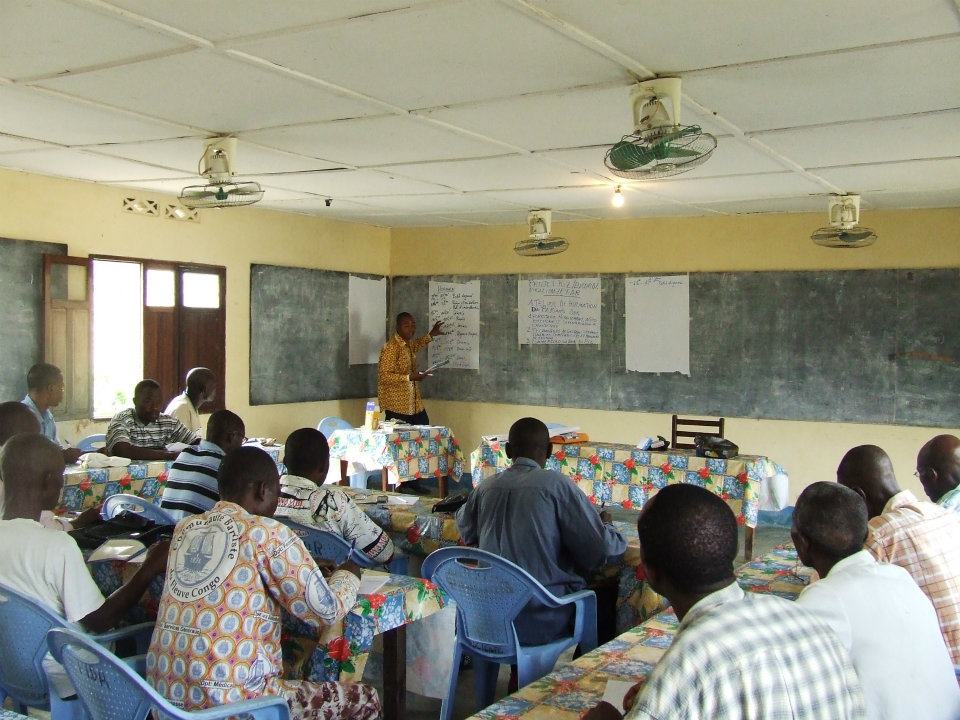
1. The Importance of Workshops
The local partners also organize workshops for the field extension agents, such as pictured above. The workshops are intended to train Projet Riz field extension agents in numerous facets pertaining to rice cultivation and the commercialisation hereof so that they are better able to support other smallholder rice farmers. Workshops touch upon subjects including book keeping, marketing and of course modern methods of rice cultivation.
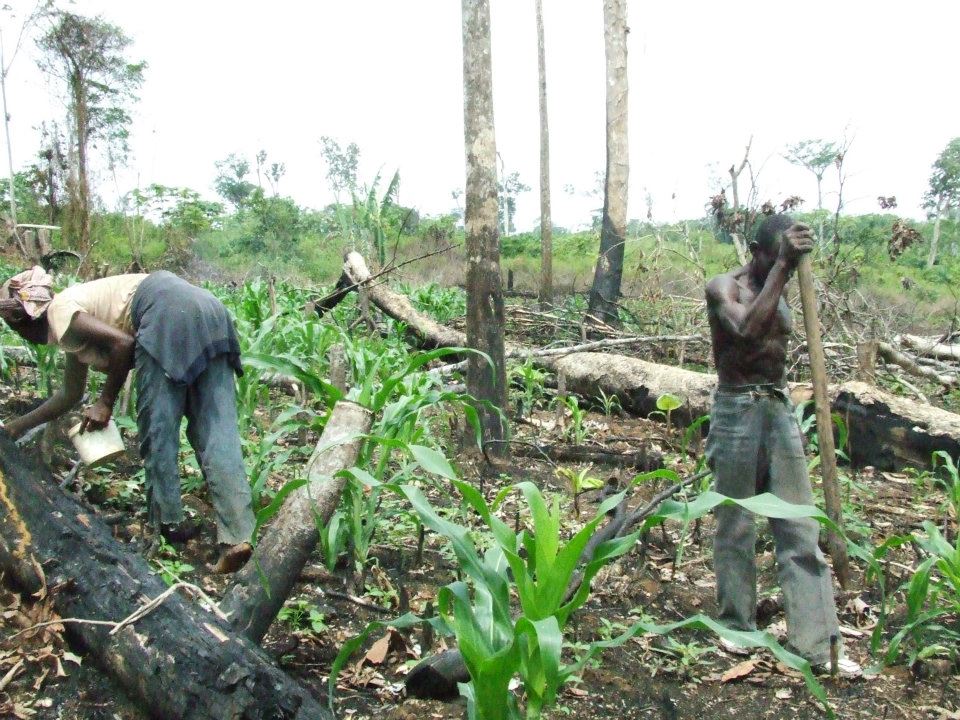
2. Increasing the Growing Seasons
Several aspects of local methods of production can be improved upon. In the Province Equateur and the Province Orientale, two seasons of rice could feasibly be cultivated. Local practice, limited – but improving – access to fast growing seed varieties and seasonal pests mean however that most farmers choose to grow rice during only one season. The project aims to provide local farmers with the means and know how to increase the number of seasons smallholder rice farmers cultivate per year.
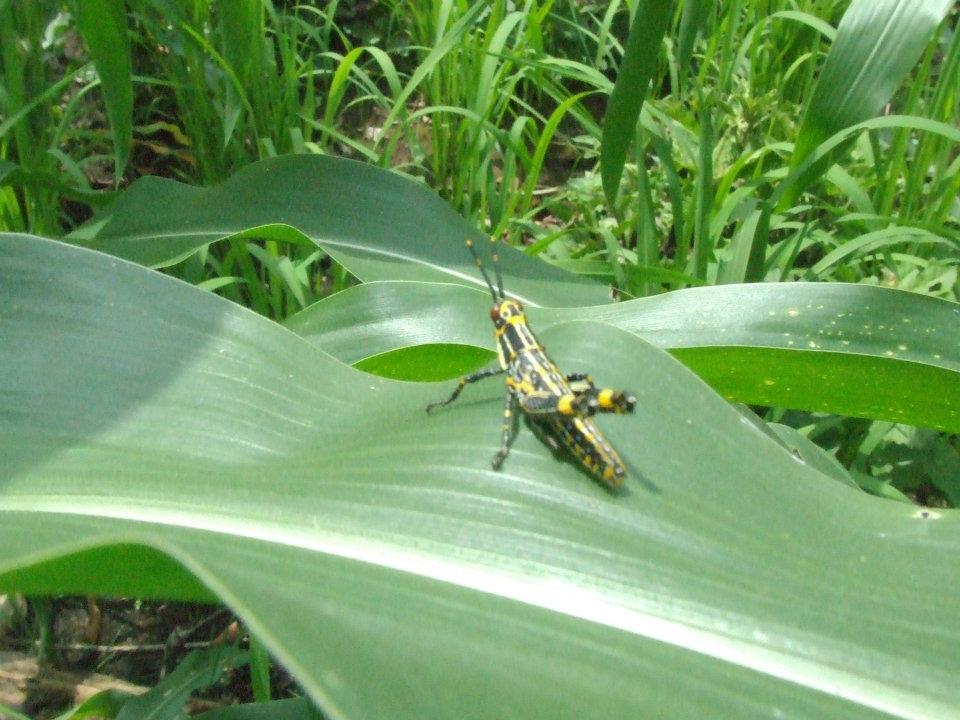
3. The Pests
One of the pests, a grasshopper. The biggest pest to producers throughout the Province Equateur and the Province Oriental is the weaver bird which in flocks can ravage entire fields.
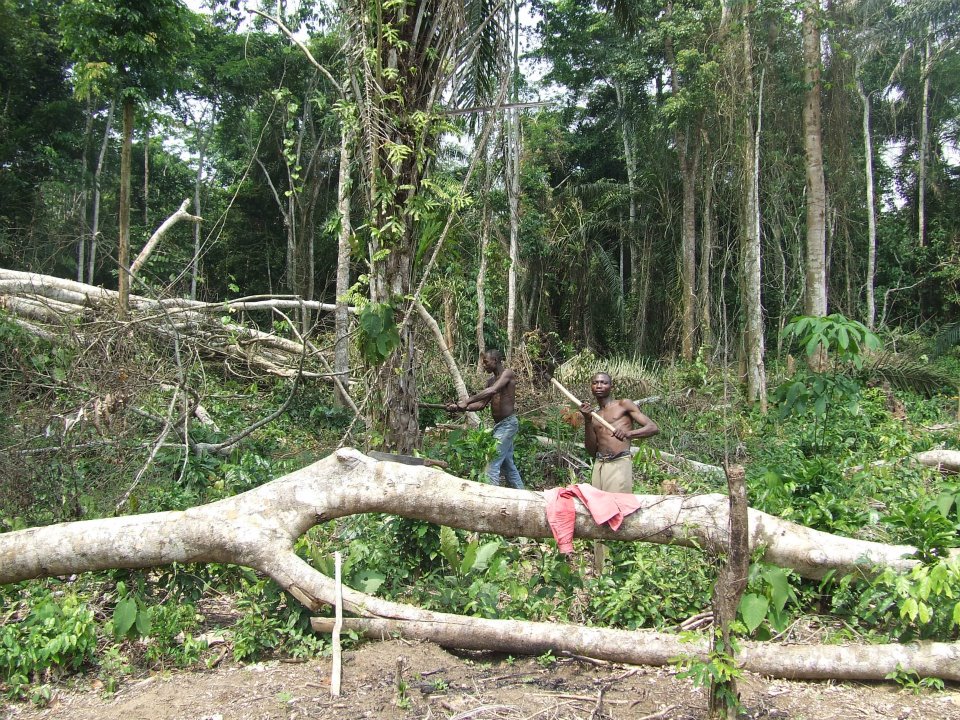
4. Sharing Modern Methods
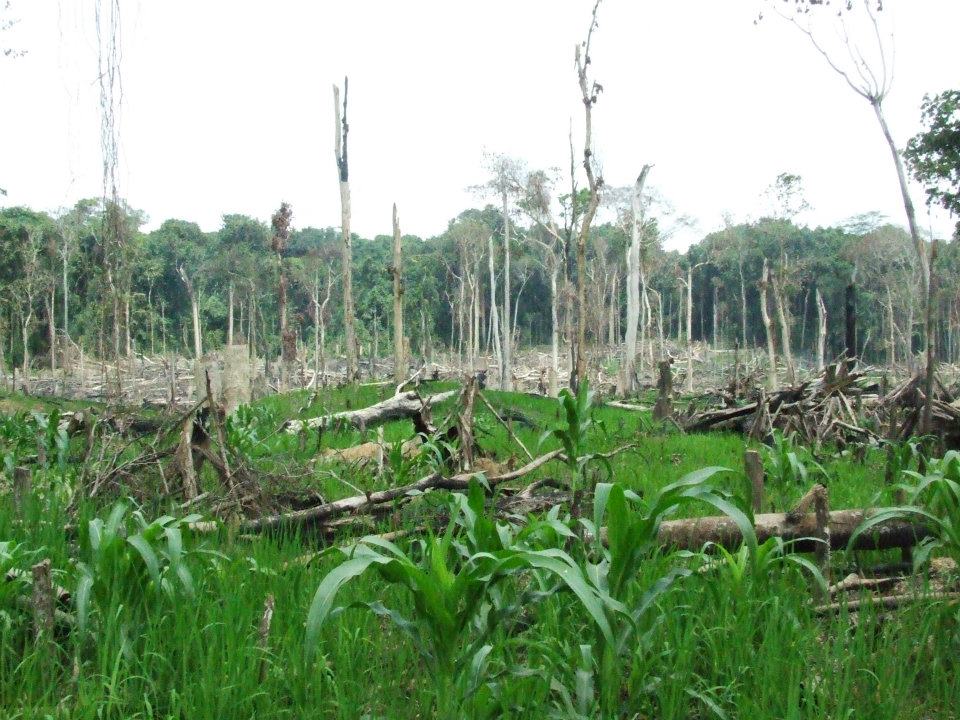
The importance of sharing modern methods of rice cultivation with smallholder rice farmers is further underscored when considering the environmental sustainability of rice production. Local practice is to clear a plot of land every season.
5. Preventing Deforestation
Emphasis is being placed upon the need to preserve and the inherent value of the DRC’s rain forests. By outlining the environmental and economic benefits of environmentally sustainable production and providing the knowledge to do so the project aims to reduce the rate of deforestation.
6. High Yield, High Gain
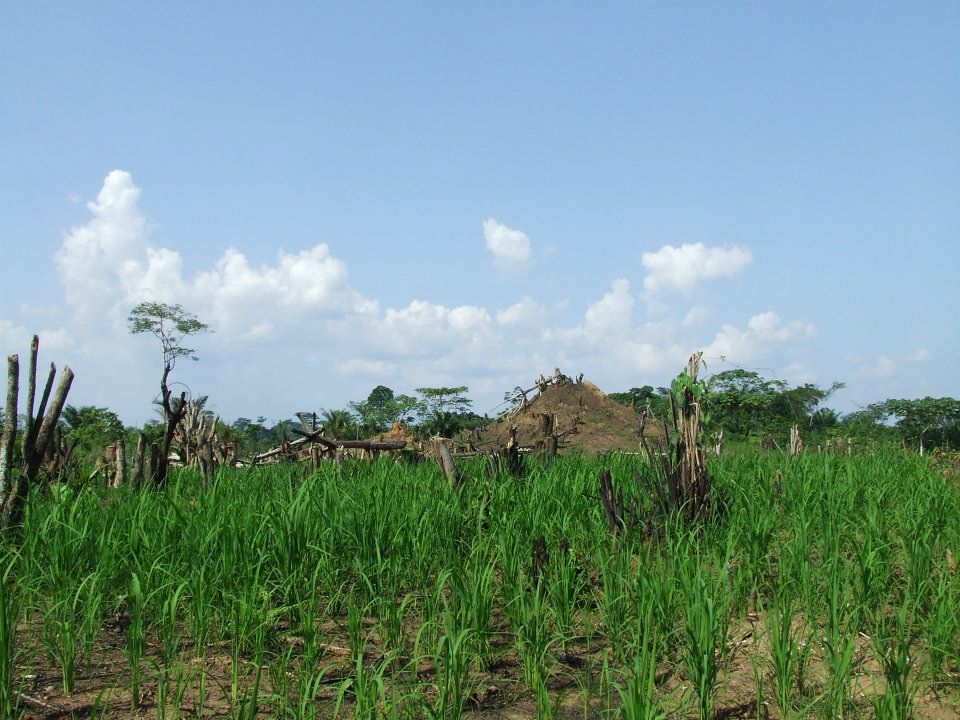
Another aspect of the work of local partners pertains to the provision of access to high yield seed varieties. High yield seed varieties produce markedly higher yields compared to local seed varieties and take considerably less time to grow. The picture shows a rice field at the CAPSA research center outside of Kisangani. The center is used to test and maintain and produce high yield seed varieties which smallholder rice farmers can purchase at a reduced cost or acquire by means of a loan. The terms of the loan: After the first harvest, the smallholder farmer is required to return a small percentage of their produce, which is in turn distributed further.
 InPEC Magazine
Pingback: Photo Essay: Reporting from the Democratic Republic of Congo – Rural Poverty and Food Insecurity – Part III of IV « InPEC
Pingback: Photo Essay: Reporting from the Democratic Republic of Congo – Rural Poverty and Food Insecurity – Part IV of IV « InPEC